Rambler Rucksack
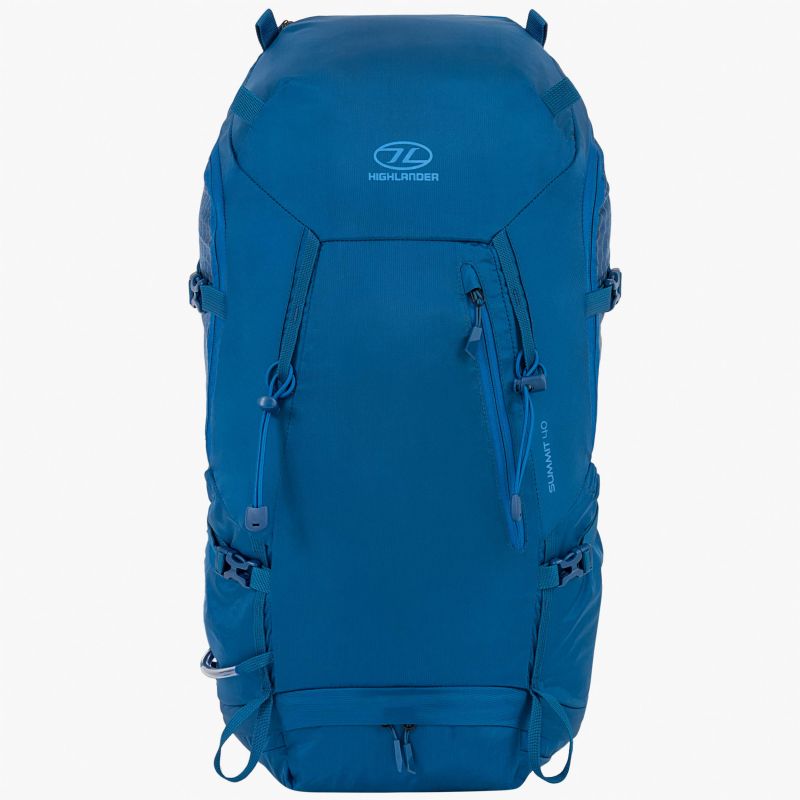
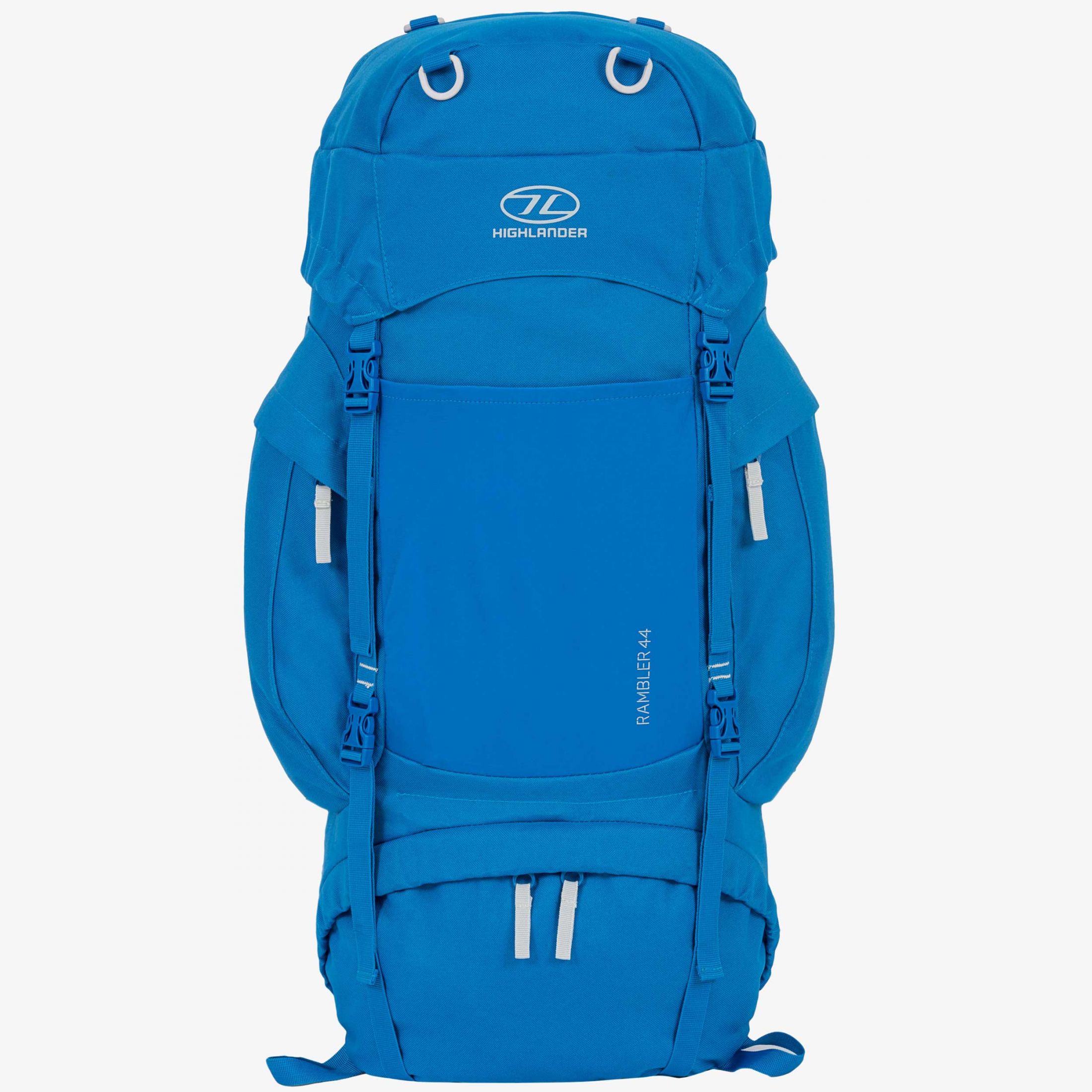
£39.97In stockGood for: One night with light kit, or a long day: it holds 44 litres.
A backpacking rucksack is a large pack with a padded hip belt, built to carry a tent, sleeping bag and food for a night or more. The rucksacks below run from about 35 to 65 litres, the sizes that suit one or two nights out in the UK. Most first overnight trips fit in 45 to 55 litres. Planning what goes in it? Use our wild camping kit list.
A backpacking rucksack is a large pack with a padded hip belt, built to carry a tent, sleeping bag and food for a night or more.
The rucksacks below run from about 35 to 65 litres, the sizes that suit one or two nights out in the UK. Most first overnight trips fit in 45 to 55 litres. Planning what goes in it? Use our wild camping kit list.
Good for: One night with light kit, or a long day: it holds 44 litres.
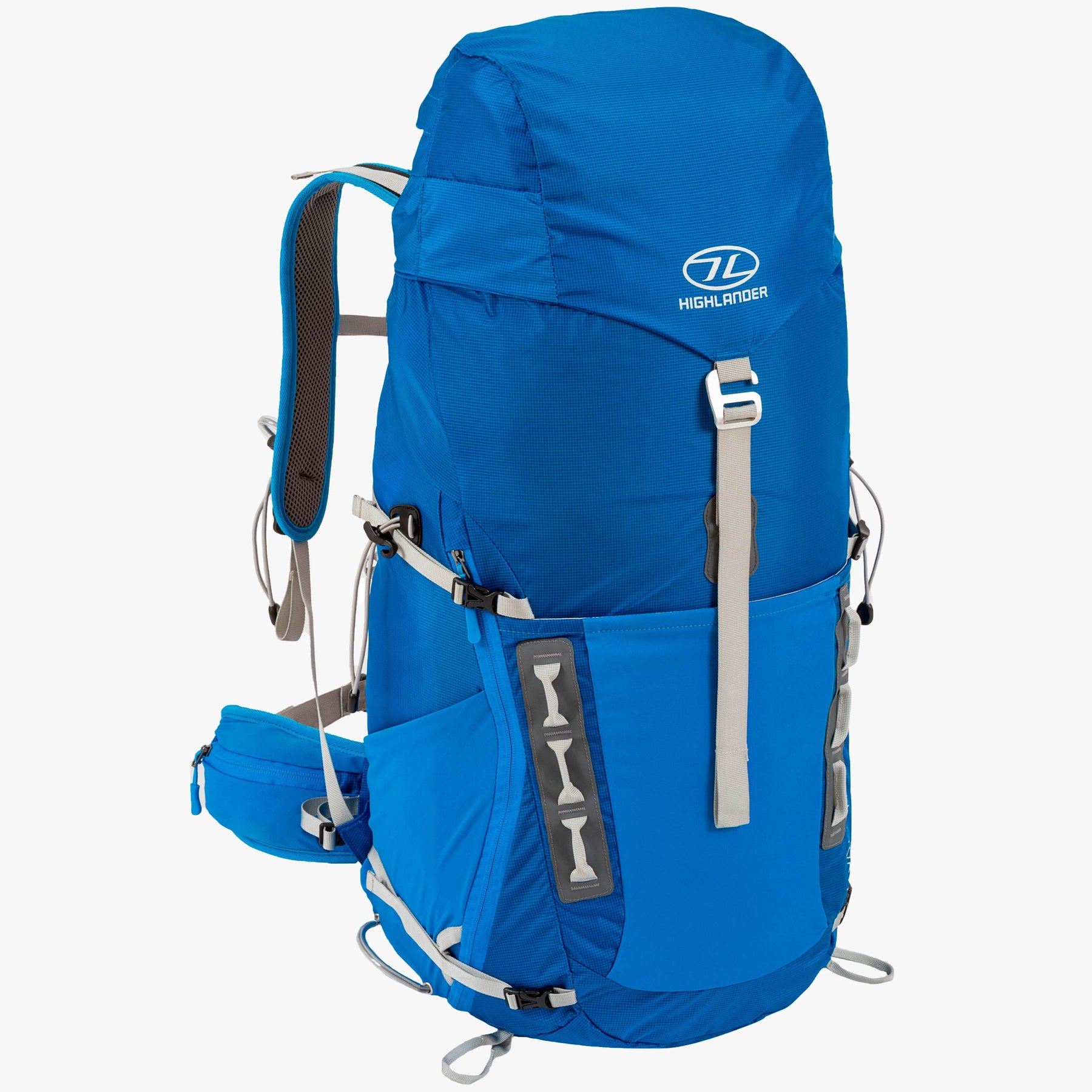
Good for: A light single night, at 40 litres.
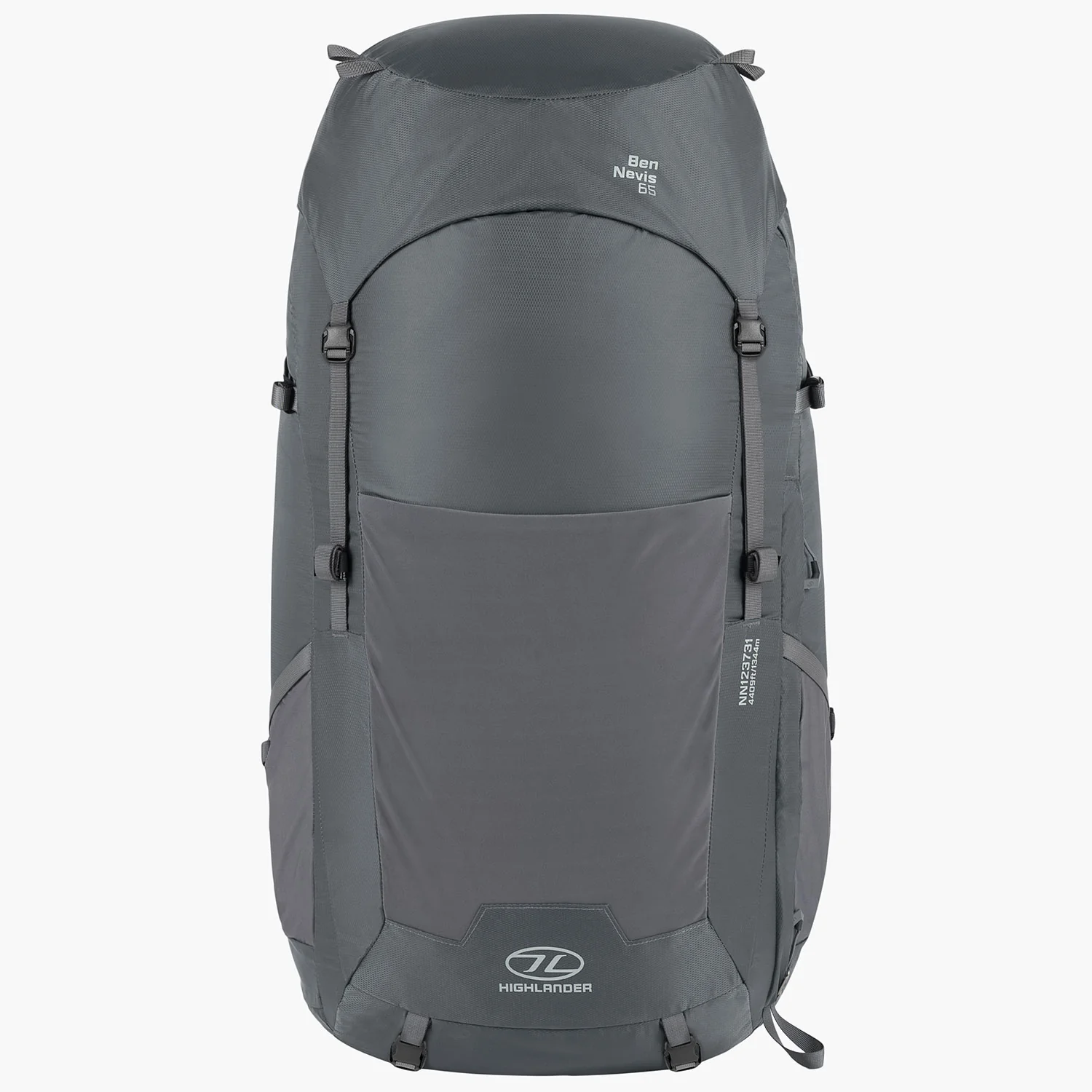
Good for: Overnight and multi-night trips: 52 or 65 litres, in unisex and women's fits, with a height-adjustable back.
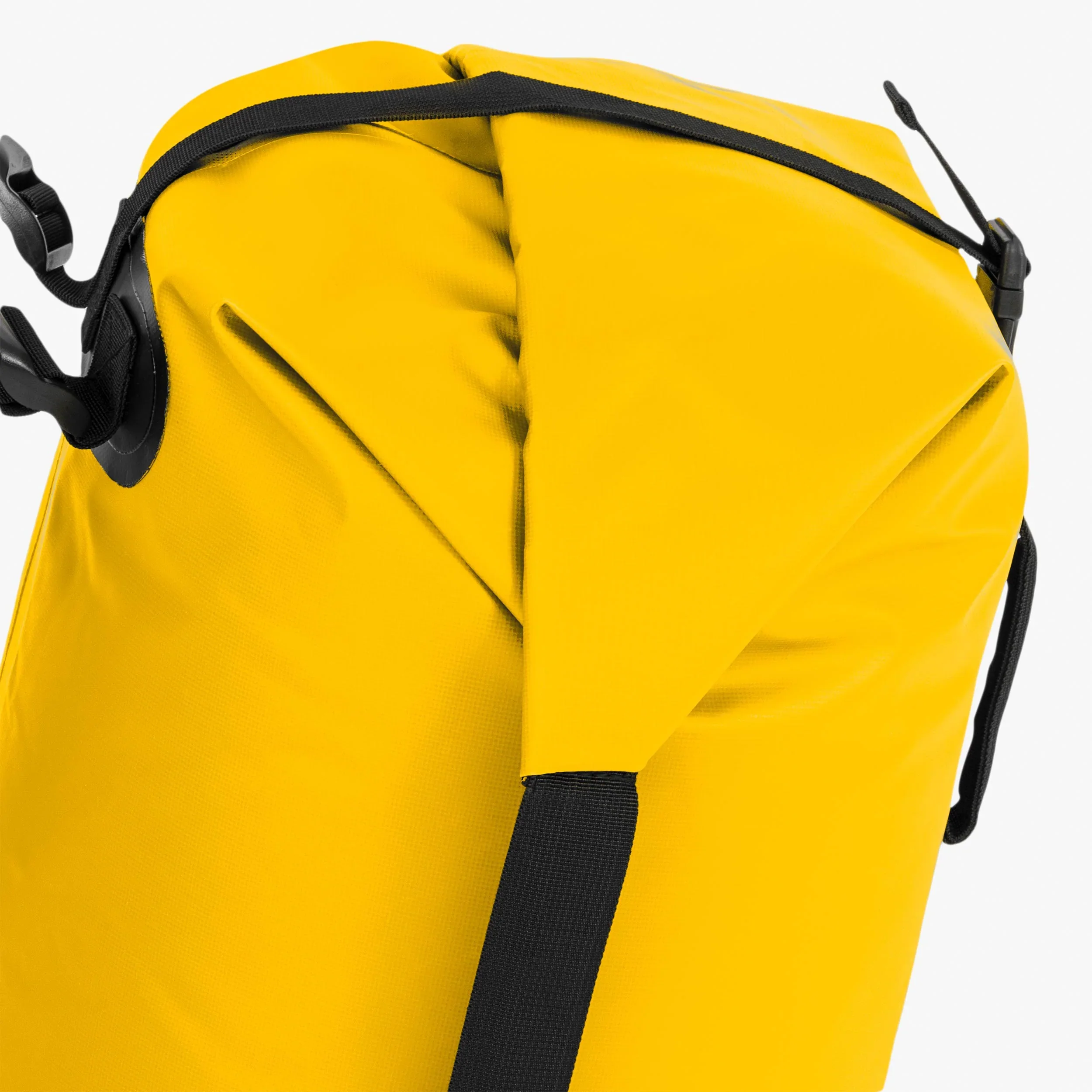
Good for: Keeping kit dry in transport or on the water: 45 or 70 litres of trilaminate PVC.
Good for: A single night with light kit, or a long day: it holds 40 litres.
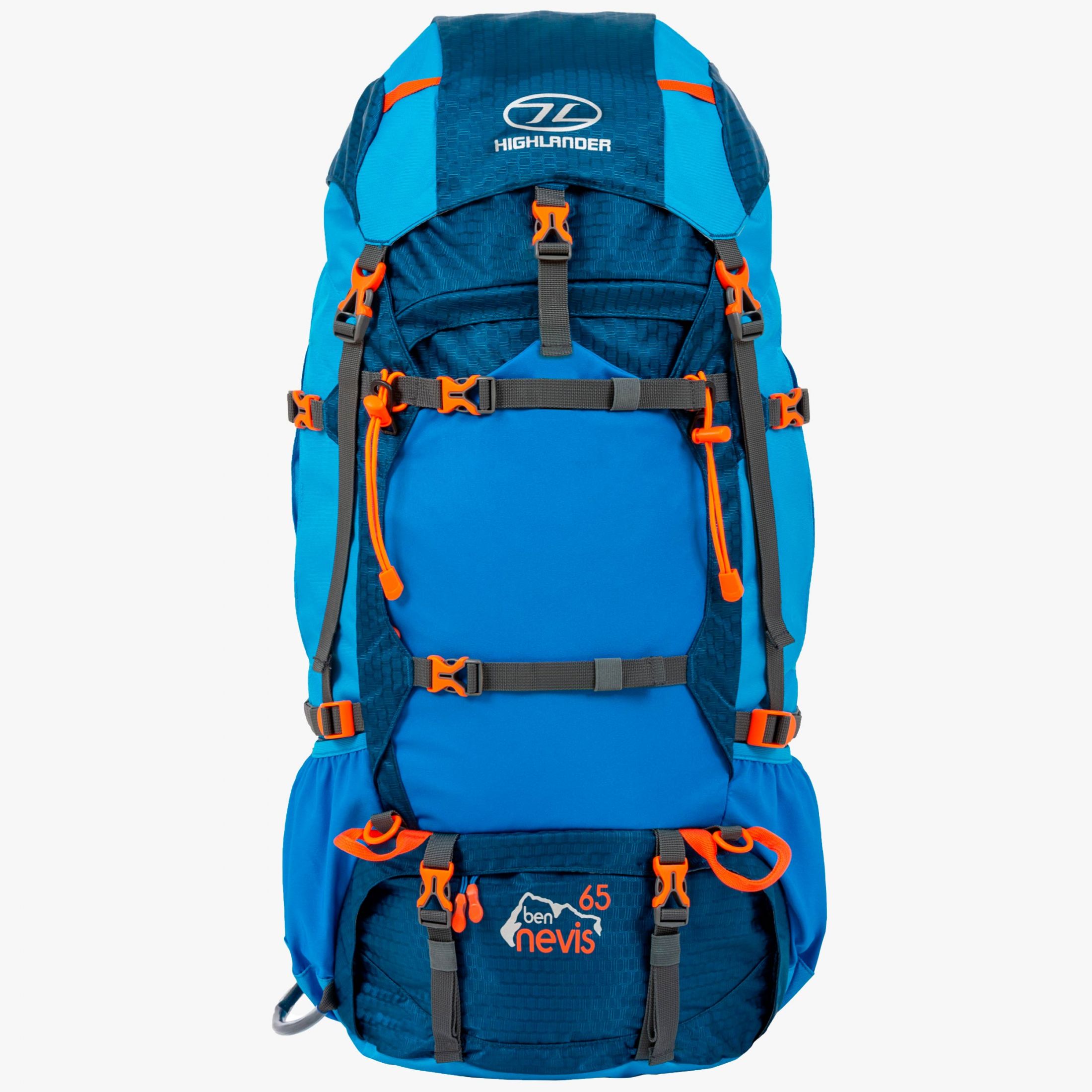
Good for: Multi-night trips with a tent and sleeping bag inside: it holds 65 litres.
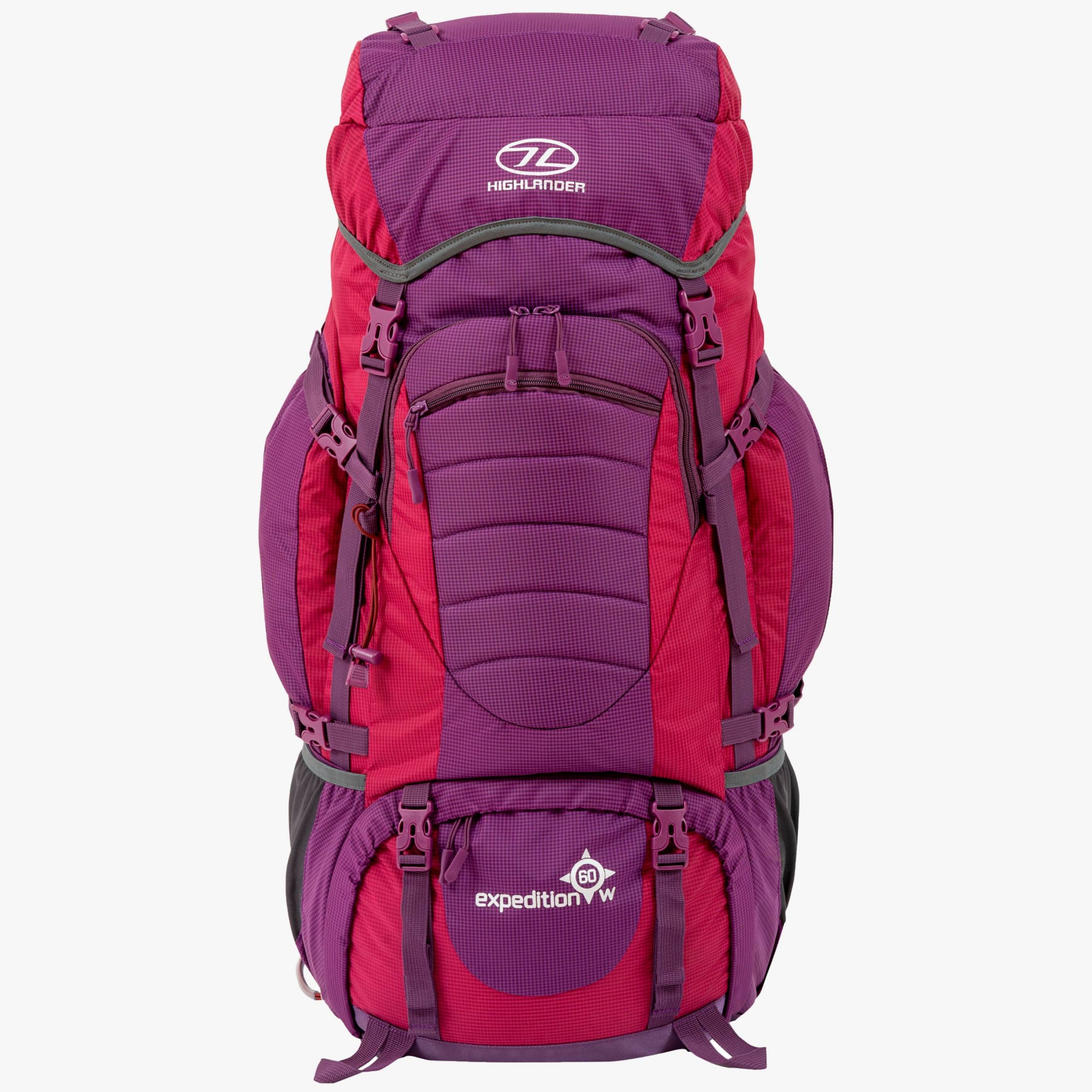
Good for: Women carrying kit for one or more nights: a 60 litre women's fit.
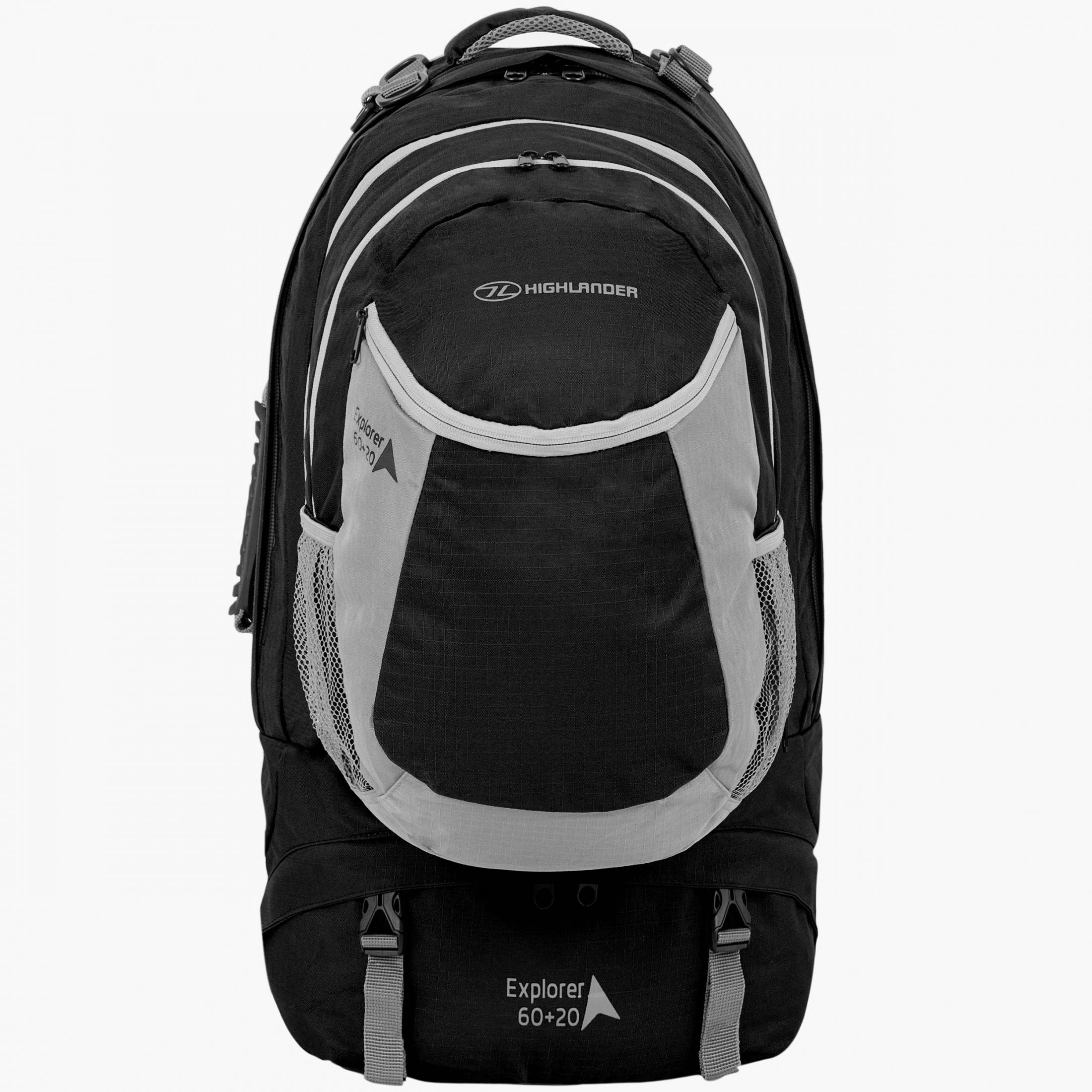
Good for: Choosing the size you need: it comes in 45+15, 60+20 and 80+20 litres.
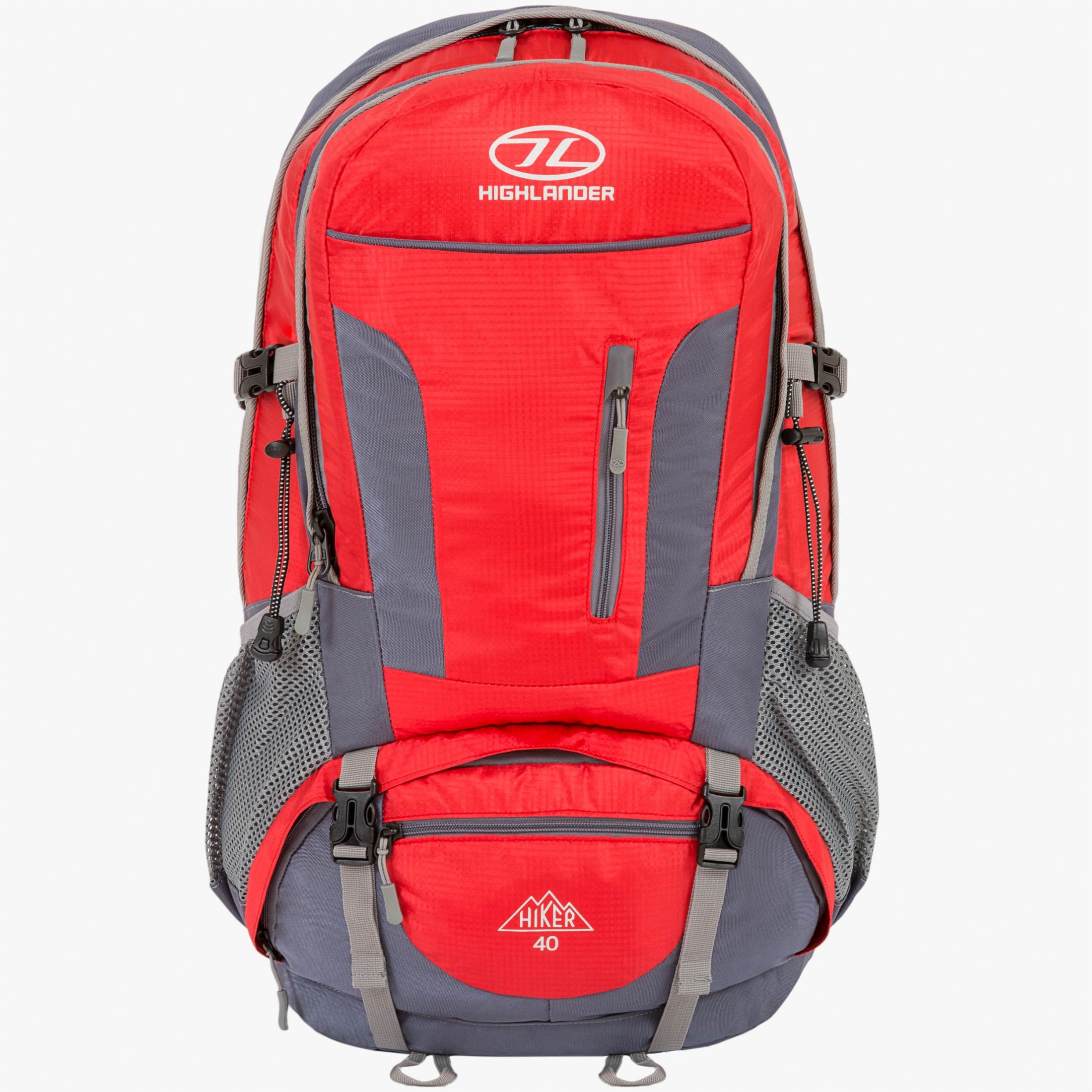
Good for: A single night with light kit, or a long day: it holds 40 litres.
A 45 to 55 litre backpacking rucksack carries everything for one or two nights of wild camping. Go down to 35 to 45 litres if your tent, sleeping bag and mat are all small when packed. Go up to 55 to 65 litres if your kit is bulky, if you carry a share of a 2 man tent, or if you'll be out for longer.
A backpacking rucksack fits by back length, not by your height. Back length runs from the bony bump at the base of your neck to the top of your hip bones. A rucksack with the right back length puts the hip belt on your hips, which is where the weight should sit. Adjustable back systems let one rucksack fit a range of back lengths.
A padded hip belt moves most of the weight from your shoulders to your hips, which are far better at carrying it. Tighten the hip belt first, then the shoulder straps, then the small load-lifter straps above your shoulders. A backpacking rucksack without a proper hip belt is a day pack, however large it is.
An empty backpacking rucksack weighs between about 1kg and 2kg. Lighter packs use thinner fabric and less frame, which suits lighter loads. For a first rucksack carrying around 10kg to 12kg, a sturdier pack with a proper frame carries more comfortably.
Pack the sleeping bag at the bottom, the heaviest things in the middle close to your back, and waterproofs and snacks at the top where you can reach them. Weight carried high and close to your spine keeps you balanced on rough ground. Things you'll need during the day go in the lid and hip-belt pockets.
Choose the rucksack that fits your back, whichever label it carries. Rucksacks sold as women's fit usually have shorter back lengths, narrower shoulder straps and a hip belt shaped for wider hips, which suits many women and some men. Measure your back length and try the fit with weight inside.
Use both. A rain cover keeps the outside of the rucksack from soaking up water, but rain still runs down your back and in. A waterproof liner or dry bags inside keep the sleeping bag and spare clothes dry, which is the part that matters.
A rucksack is sized by what goes in it. Start with a one man tent, a lightweight sleeping bag and a sleeping mat, or see what the Wild Camp Kit includes.
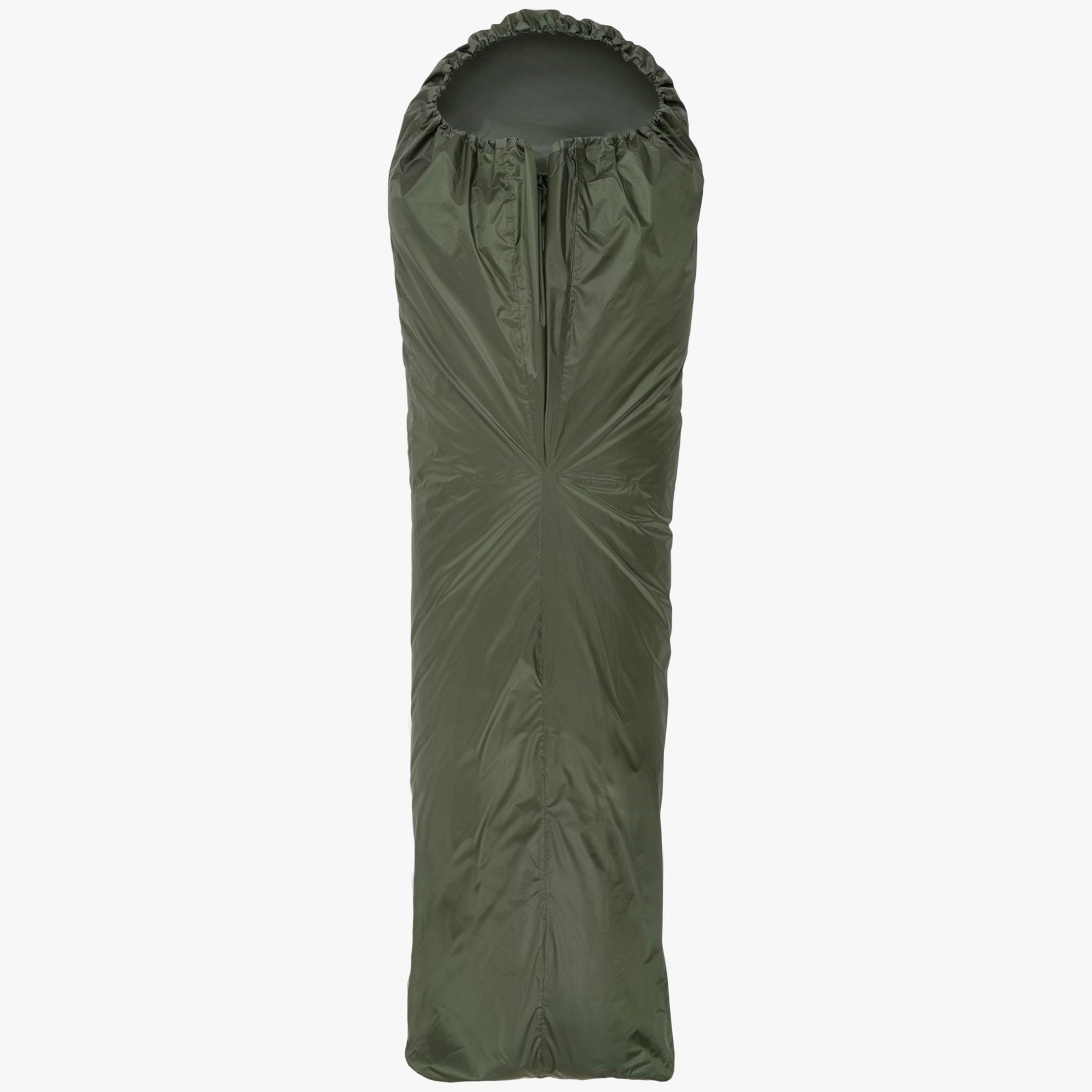
See the Wild Camp KitGood for: One adult sleeping under a tarp or the sky; it's 240cm long and packs to 21cm x 9cm x 9cm.
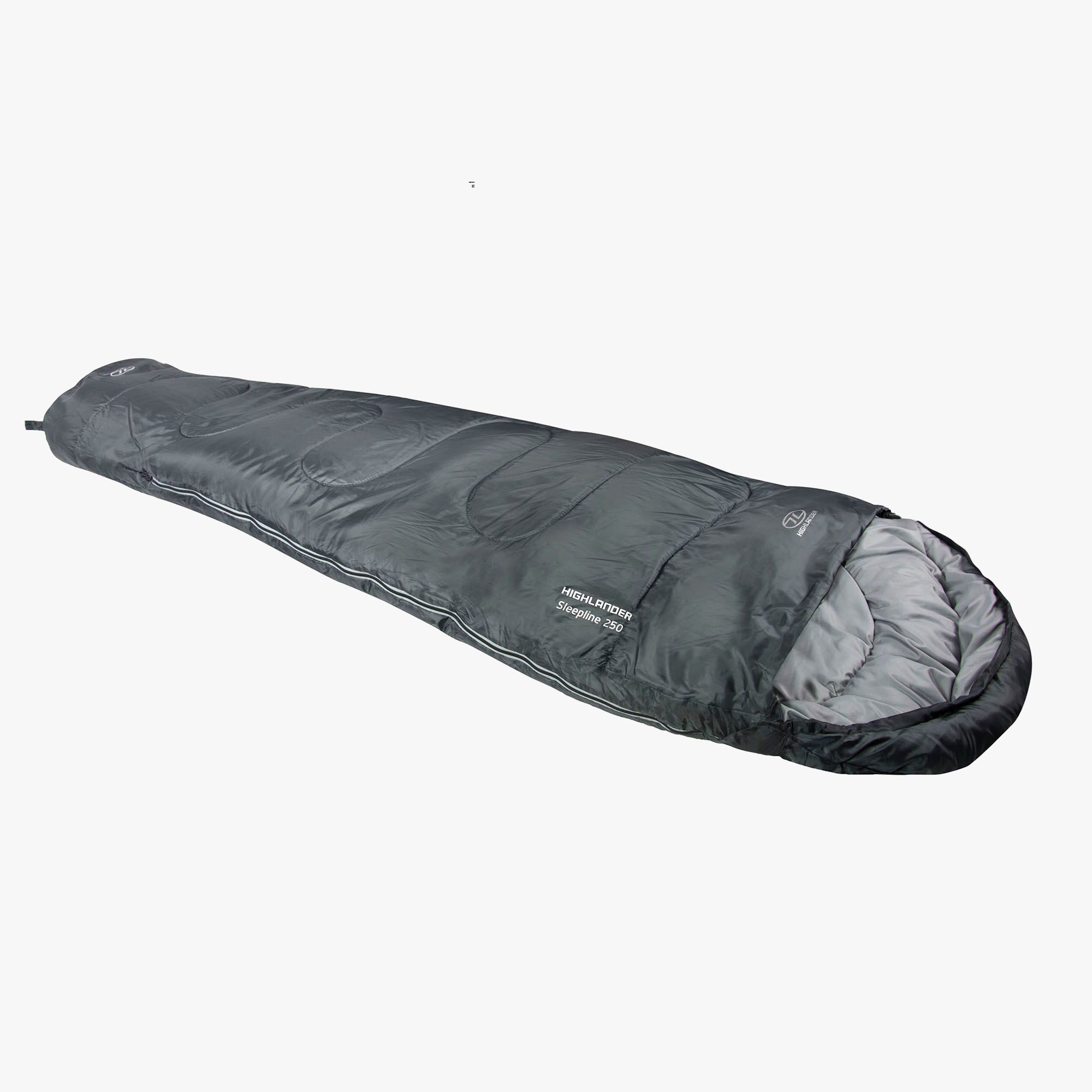
Good for: Warm summer nights, in a synthetic 1-season bag.
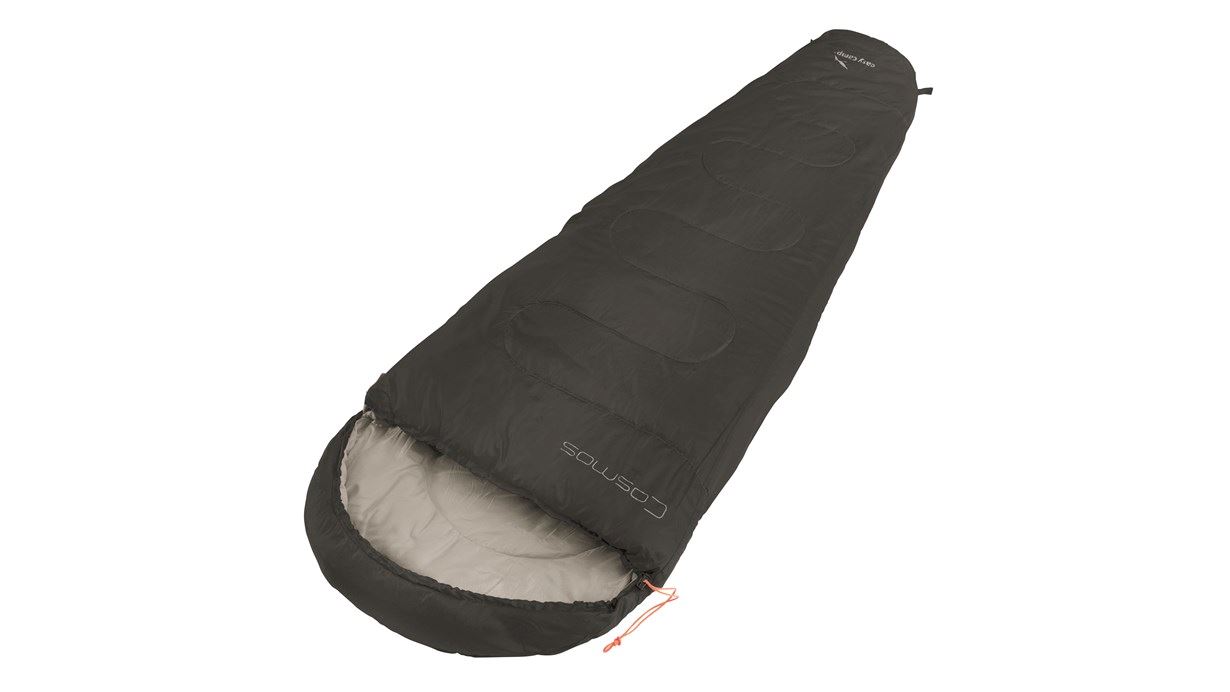
Good for: Warm summer nights on a campsite.