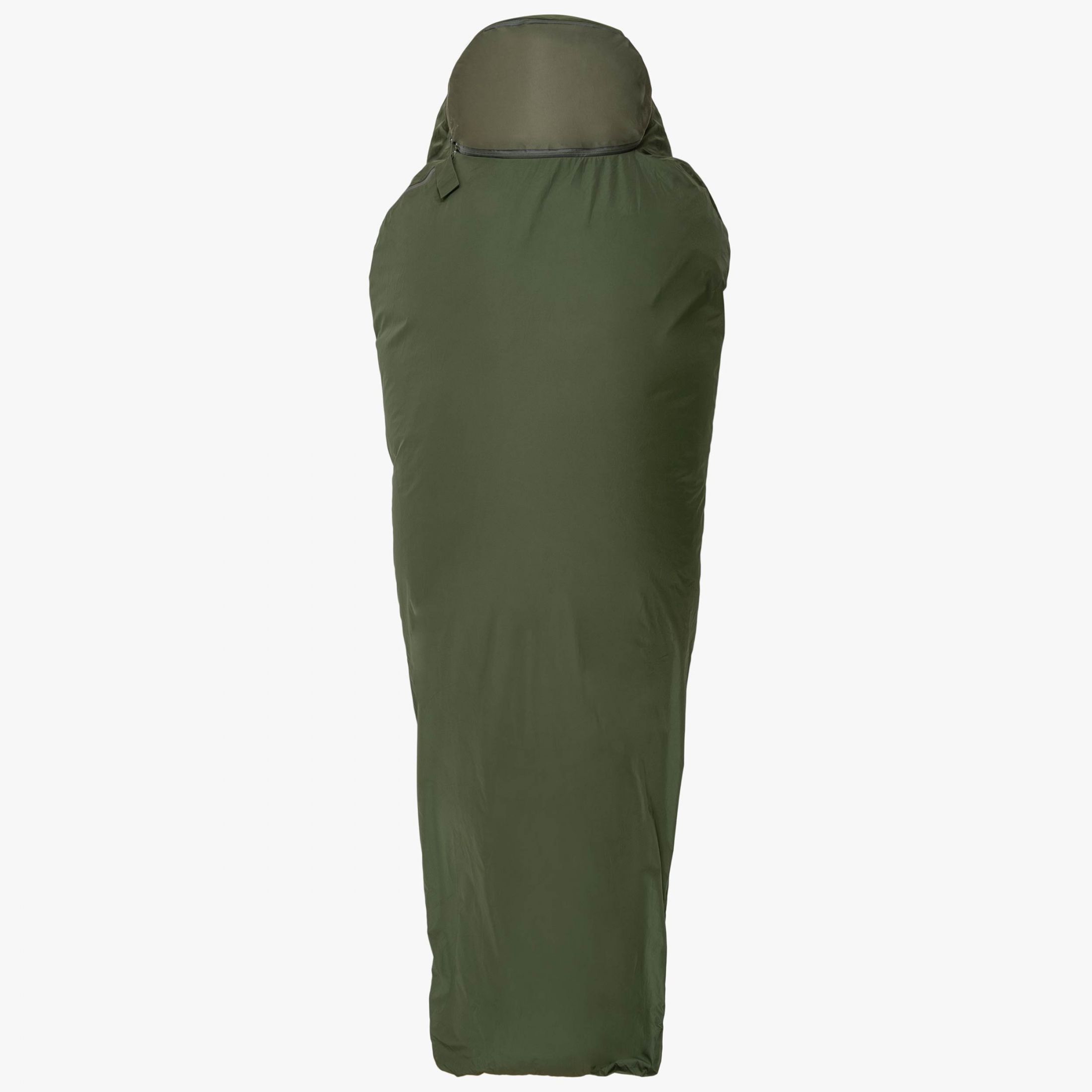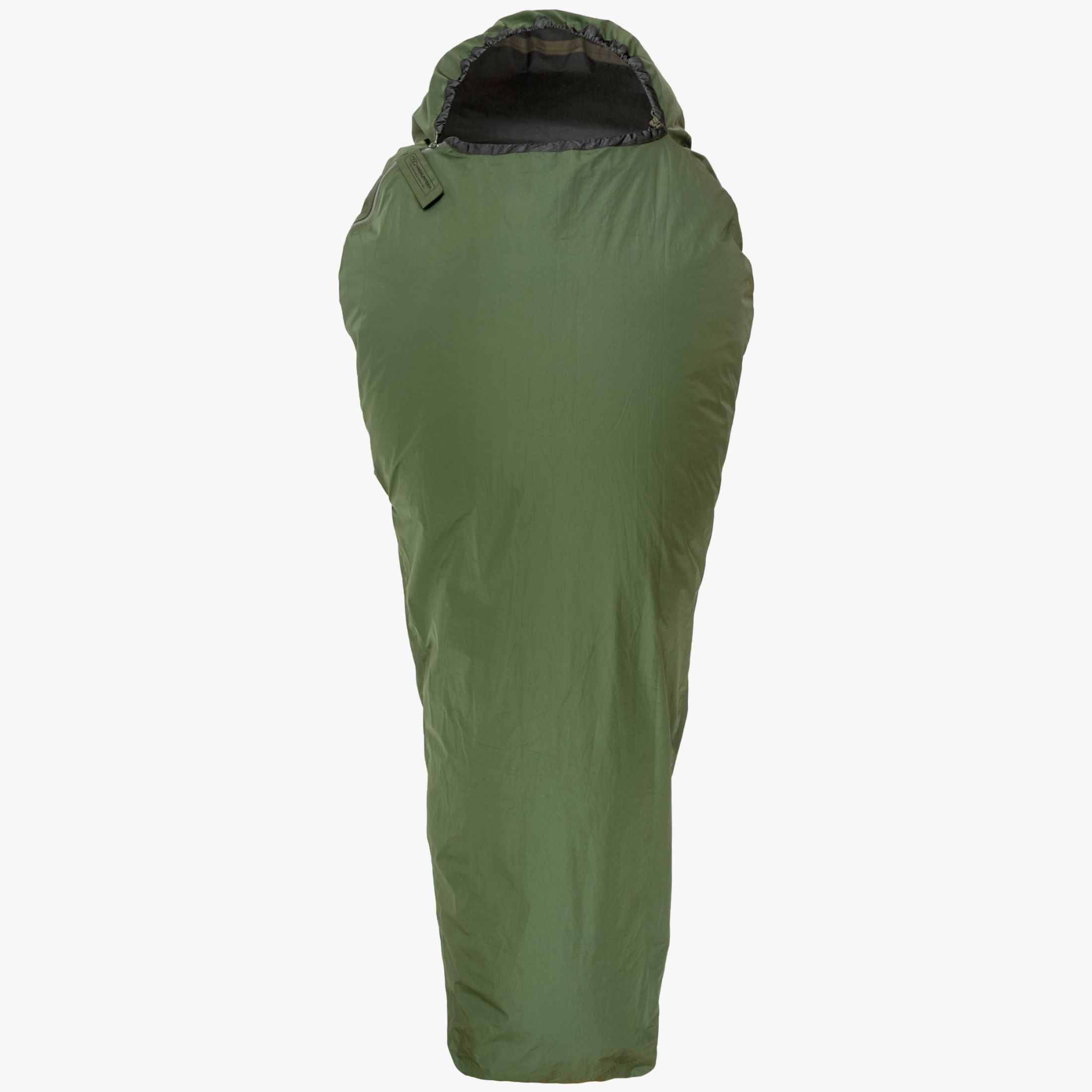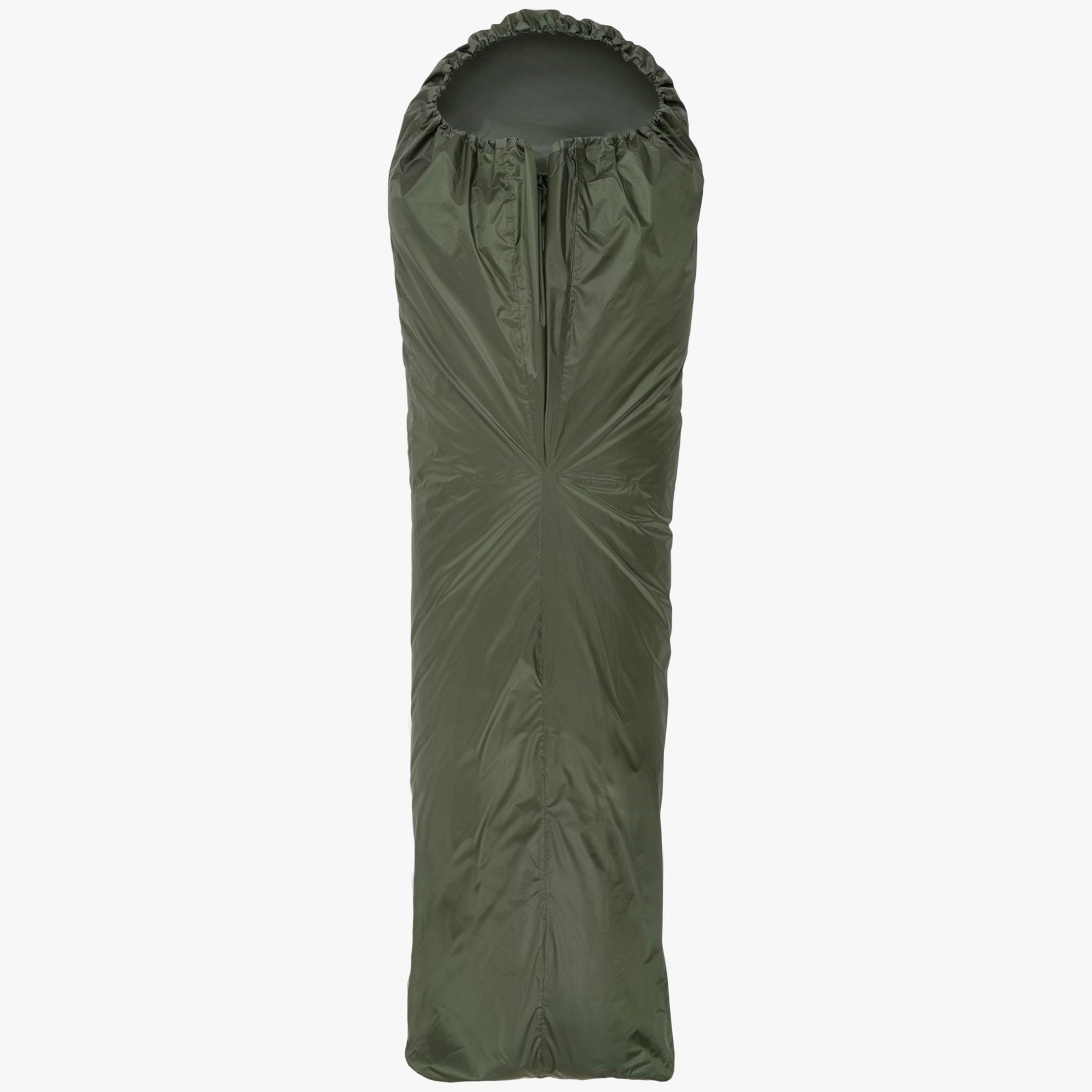
Highlander Kestrel Rip-Stop Bivvy Bag
£37.97In stockGood for: One adult sleeping under a tarp or the sky; it's 240cm long and packs to 21cm x 9cm x 9cm.
A bivvy bag is a waterproof, breathable cover that goes over a sleeping bag, giving a shelter that weighs as little as 300g but has no room for kit. The bivvy bags below suit British nights: damp air, wind and ground that is rarely dry. Some people spell it bivi or bivy; it's the same bag. New to sleeping without a tent? Read What Is a Bivvy Bag?
A bivvy bag is a waterproof, breathable cover that goes over a sleeping bag, giving a shelter that weighs as little as 300g but has no room for kit.
The bivvy bags below suit British nights: damp air, wind and ground that is rarely dry. Some people spell it bivi or bivy; it's the same bag. New to sleeping without a tent? Read What Is a Bivvy Bag?
Good for: One adult sleeping under a tarp or the sky; it's 240cm long and packs to 21cm x 9cm x 9cm.
Good for: Nights under the sky when insects are about: it has a built-in mosquito net.
Good for: One adult who wants a waterproof 2-in-1 sleep system in a single buy.
A bivvy bag is a waterproof cover for a sleeping bag, used on its own or under a tarp. It keeps rain, dew and wind off the sleeping bag and adds a little warmth. Unlike a tent, a bivvy bag has no room to sit up, change or store kit, so your rucksack stays outside or in a dry bag.
Choose a bivvy bag for short, dry-forecast nights where weight and a small footprint matter most. Choose a one man tent for your first nights out, for rain that lasts, or for anywhere you want to sit up and cook in shelter. Many campers own both and pick by the forecast.
Yes, all bivvy bags collect some condensation, because your body gives off moisture all night. A breathable fabric lets much of it pass through; a non-breathable bag, often sold as a survival bag, soaks the sleeping bag by morning. Leaving the opening slightly open and keeping your face outside the bag both reduce it.
A hooped bivvy bag has a short pole that holds the fabric off your face, giving a little headroom and space to read. A basic bivvy bag has no pole: it weighs less and packs smaller, but the fabric rests on your face in rain. Hooped bivvy bags suit wetter nights and longer trips.
Yes. A tarp pitched over a bivvy bag keeps rain off your head and gives a dry spot to sit, pack and cook outside. The pair together weighs about the same as a light one man tent, and pitches in more places.
With a bivvy bag you need a sleeping bag, a sleeping mat and a dry bag for everything else. The mat goes inside the bivvy bag on most nights, so it can't slide away, and outside it if the bivvy is a tight fit. Kit that would sit in a tent porch goes in a dry bag beside you, or under a tarp.
The law treats bivvying as camping. In Scotland, the Scottish Outdoor Access Code allows it on most unenclosed land; on the Dartmoor Commons it's permitted too. Everywhere else in England, Wales and Northern Ireland you need the landowner's permission.
One Man Tents doesn't encourage anyone to break the law. Wild camping rules differ across the UK: it's permitted on most unenclosed land in Scotland under the Scottish Outdoor Access Code, and on the Dartmoor Commons in England. Elsewhere in England, Wales and Northern Ireland, you need the landowner's permission. Always check before you pitch. Wild camping in the UK
A bivvy leaves the lightest mark of any shelter: arrive late, leave early and take everything home. Read how we camp
A bivvy bag only works with a warm bag and a mat underneath. Pair it with a 3-season sleeping bag and a sleeping mat with an R-value of at least 3.
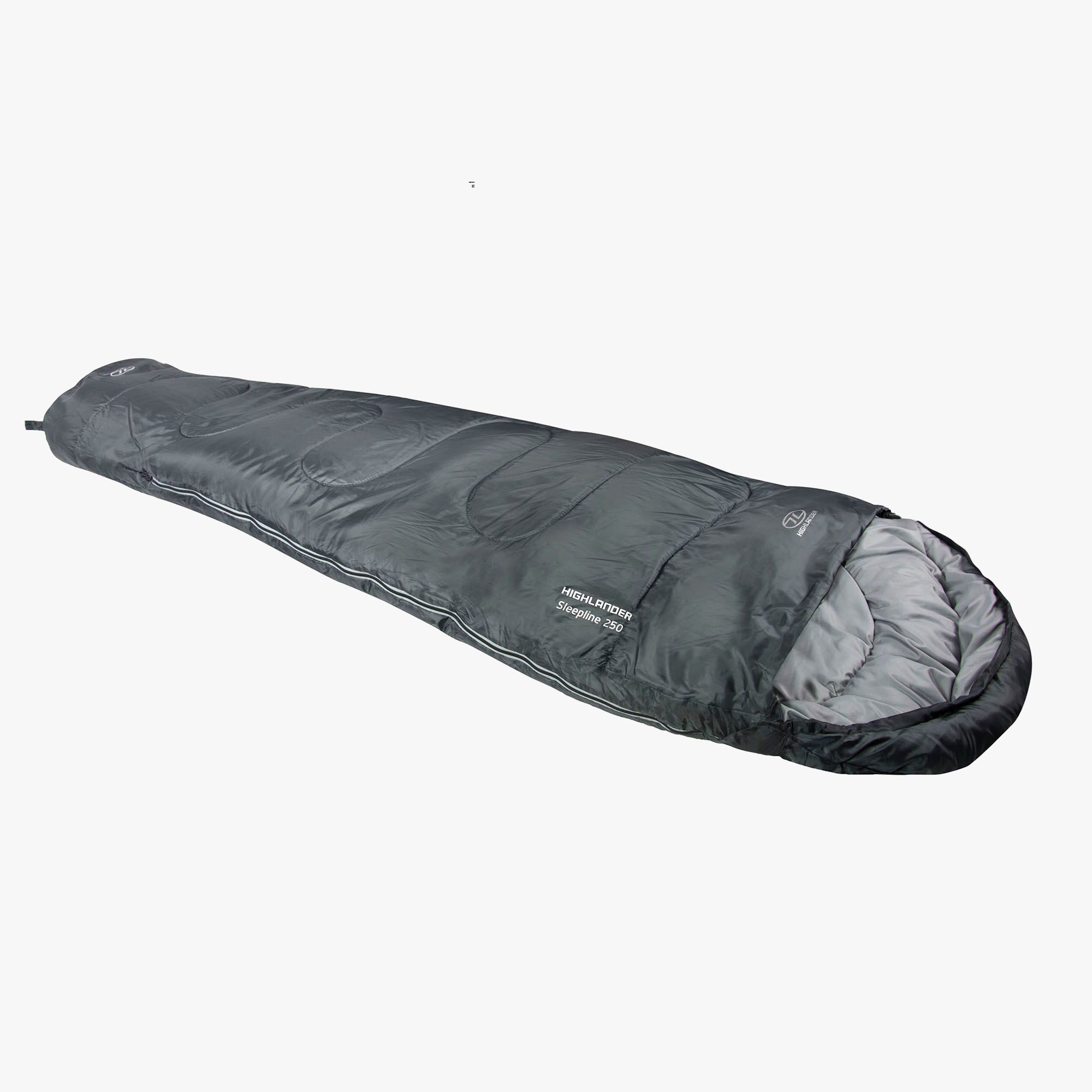
Good for: Warm summer nights, in a synthetic 1-season bag.
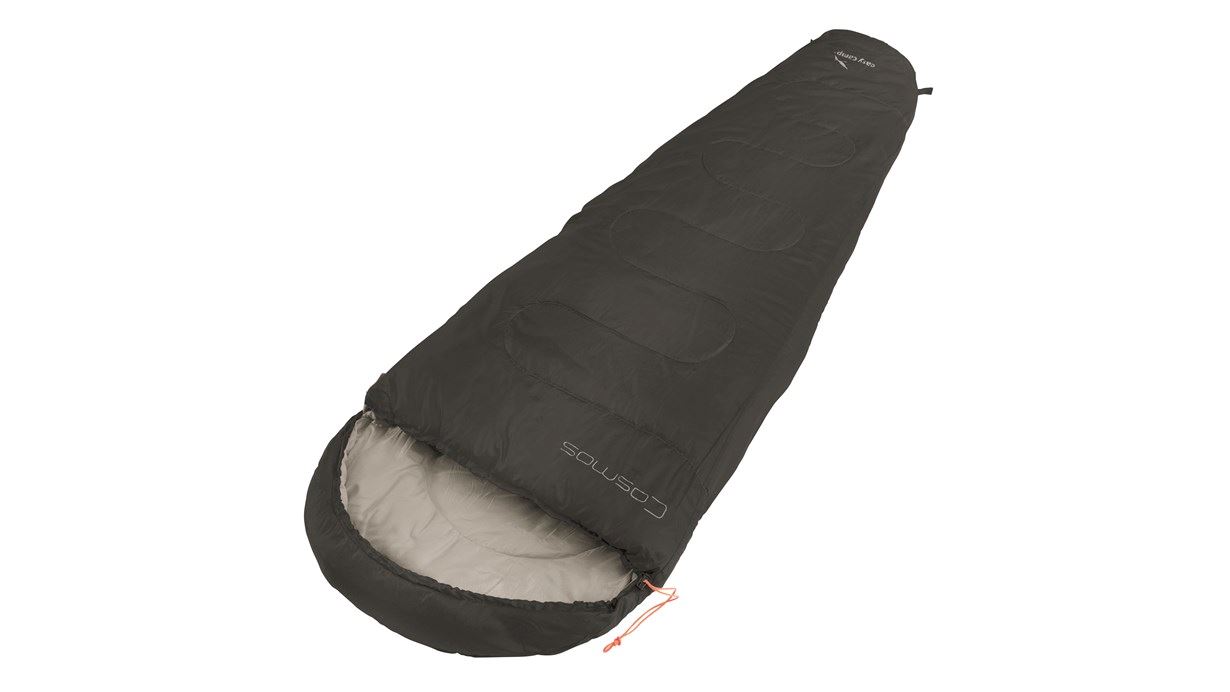
Good for: Warm summer nights on a campsite.