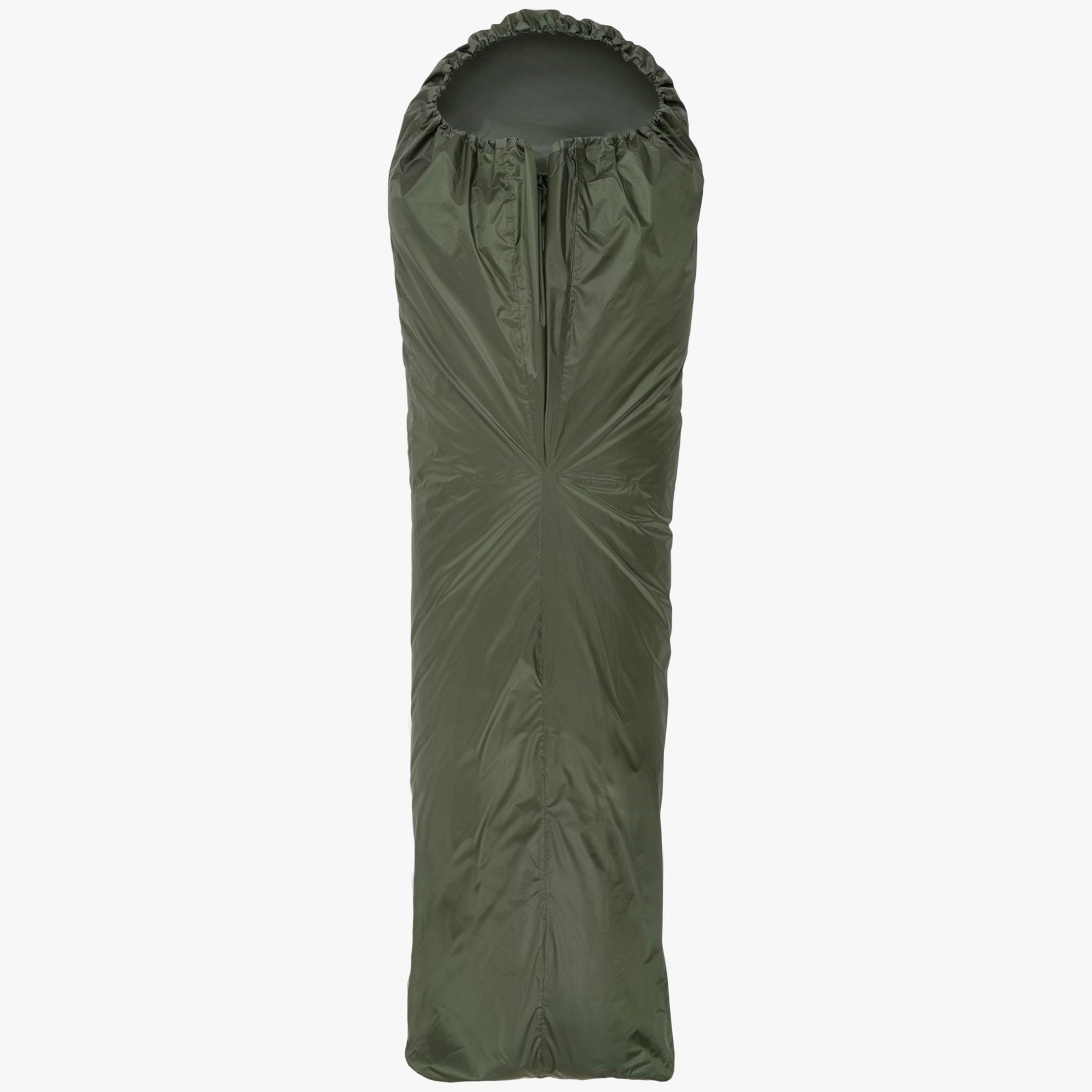
Highlander Kestrel Rip-Stop Bivvy Bag
£37.97In stockGood for: One adult sleeping under a tarp or the sky; it's 240cm long and packs to 21cm x 9cm x 9cm.
A lightweight sleeping bag is an insulated bag light and small enough to carry in a rucksack, rated for the temperatures you'll actually sleep in. The sleeping bags below are chosen for UK nights, which are damp more often than they are cold. A 3-season sleeping bag with a comfort rating of 0°C to 5°C suits most UK wild camps between April and October. A bag is only as warm as the mat under it, so read our guide to sleeping mat R-values too.
A lightweight sleeping bag is an insulated bag light and small enough to carry in a rucksack, rated for the temperatures you'll actually sleep in.
The sleeping bags below are chosen for UK nights, which are damp more often than they are cold. A 3-season sleeping bag with a comfort rating of 0°C to 5°C suits most UK wild camps between April and October. A bag is only as warm as the mat under it, so read our guide to sleeping mat R-values too.
Good for: One adult sleeping under a tarp or the sky; it's 240cm long and packs to 21cm x 9cm x 9cm.
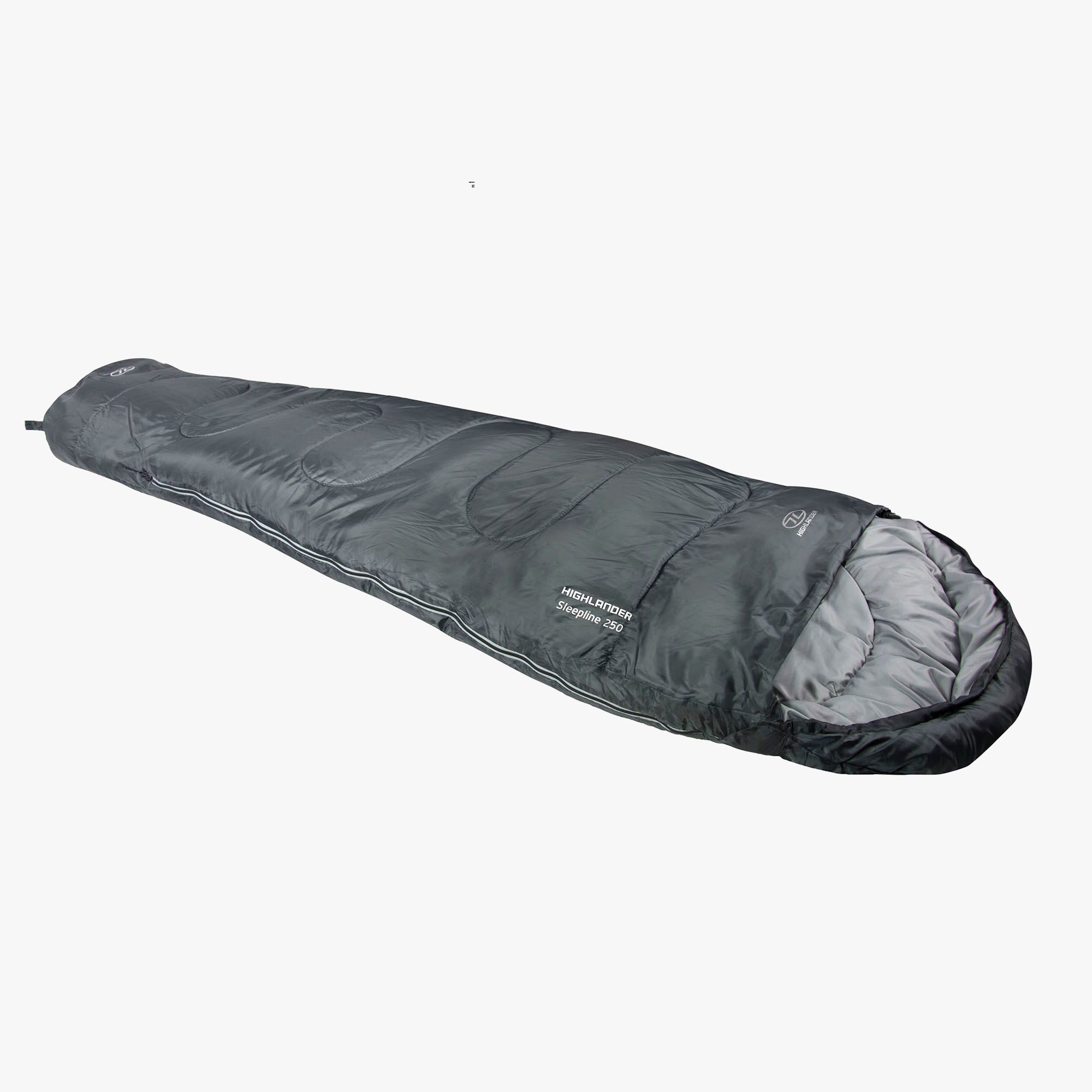
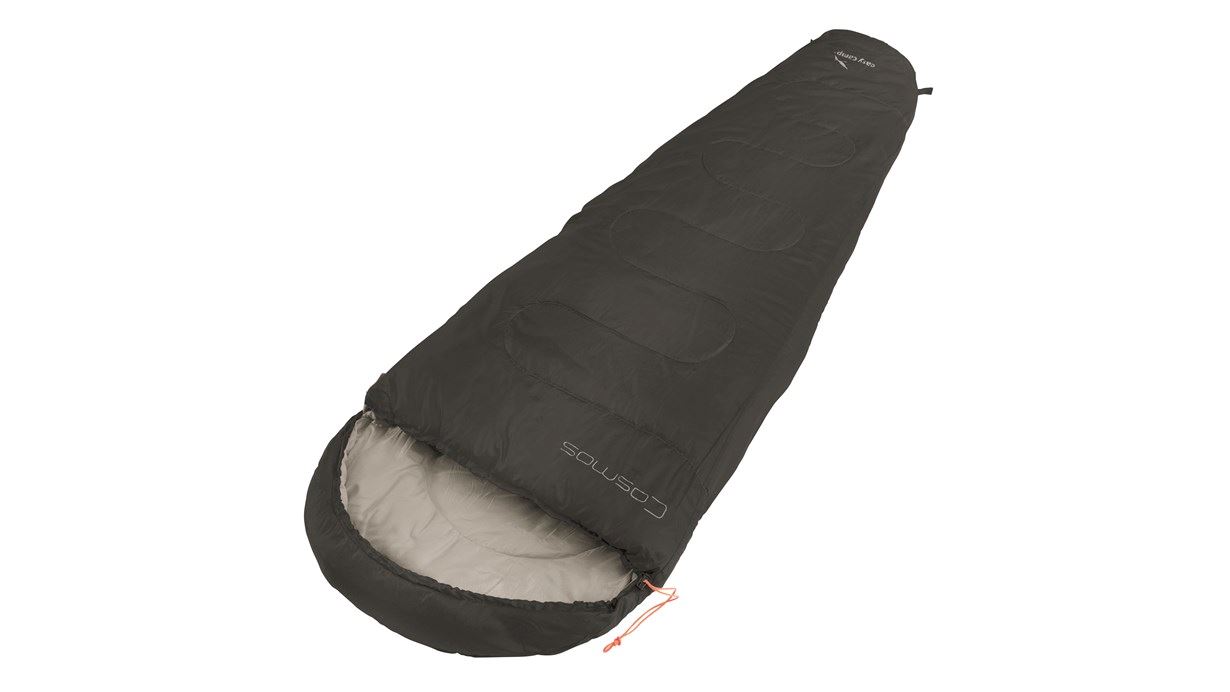
Good for: Warm summer nights, in a synthetic 1-season bag.
Good for: Warm summer nights on a campsite.
A 3-season sleeping bag with a comfort rating of 0°C to 5°C suits most UK camping between April and October. Choose by the comfort figure, not the lowest number on the label. If you sleep cold, or you'll camp high in spring or autumn, pick a sleeping bag rated a few degrees lower than the nights you expect.
Comfort, limit and extreme are the three temperatures a sleeping bag is tested at under ISO 23537, the standard most manufacturers use. Comfort is the lowest temperature at which a standard adult woman sleeps comfortably lying relaxed. Limit is the lowest temperature at which a standard adult man sleeps curled up without feeling cold. Extreme is a survival figure: never choose a sleeping bag by it.
Synthetic sleeping bags suit the UK's damp nights and cost less; down sleeping bags are lighter and pack smaller for the same warmth. Synthetic fill keeps insulating when it gets damp, where untreated down clumps and loses warmth. Water-resistant treated down closes some of that gap. For a first sleeping bag, synthetic is the lower-risk choice.
A mummy sleeping bag tapers towards the feet and has a hood, so there's less air inside to warm and less fabric to carry. A rectangular sleeping bag gives more room to move but is heavier and colder for its weight. For carrying in a rucksack, a mummy shape makes most sense.
A 3-season lightweight sleeping bag weighs about 800g to 1.5kg. Down sleeping bags sit at the lighter end, synthetic at the heavier end. Check the packed size as well as the weight, because the sleeping bag is often the bulkiest thing in a rucksack.
Stay warm in a sleeping bag by starting warm: eat something and get into dry clothes before you get in. Wear a hat, because the hood of a sleeping bag doesn't cover your head completely. Close the hood and the neck baffle around your face on cold nights, and keep tomorrow's clothes in the bag with you so they're warm to put on.
A liner keeps the inside of the sleeping bag clean and adds a little warmth, which stretches a 3-season sleeping bag into cooler nights. It's also easier to wash than the bag itself.
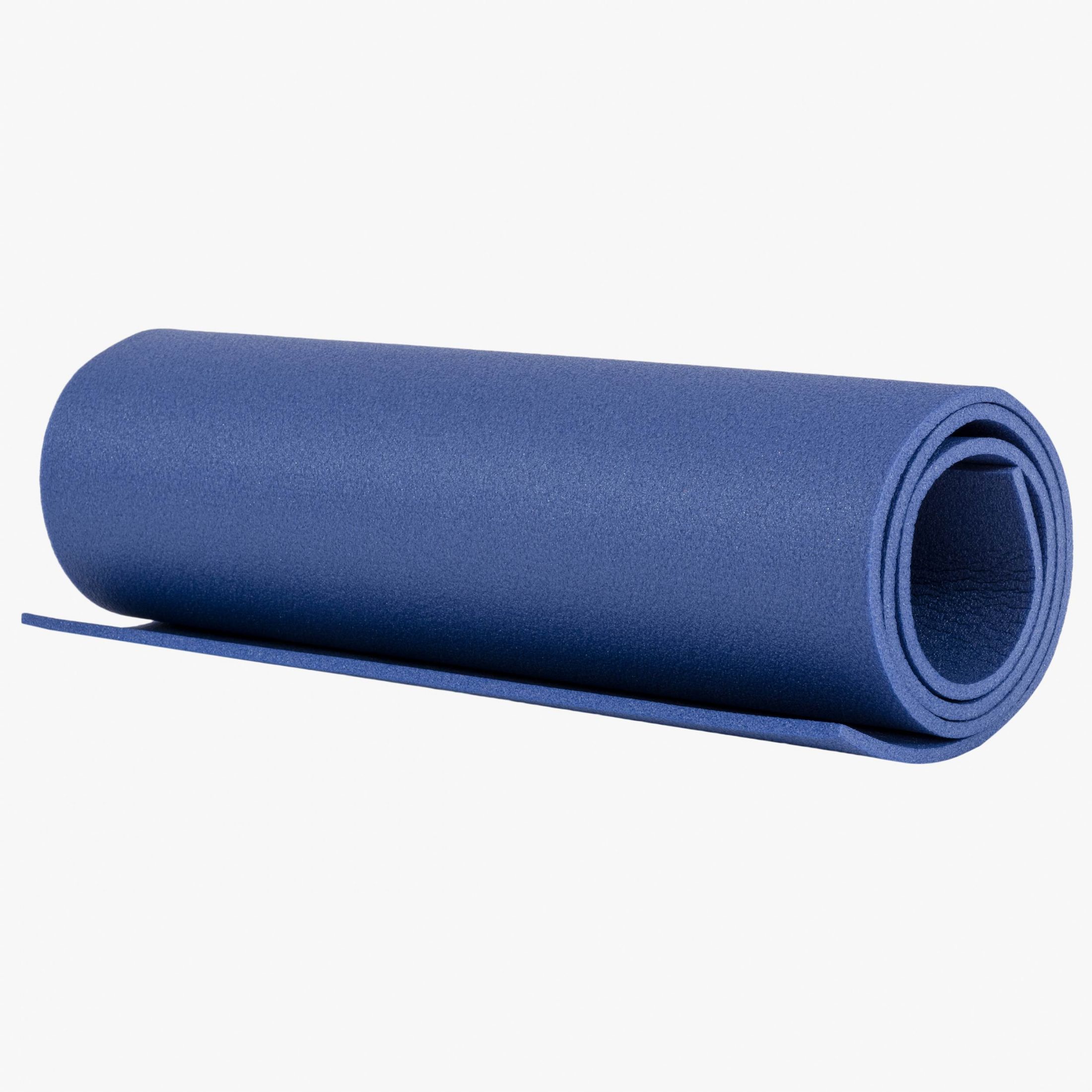
A sleeping bag is only as warm as what's under it. Pair it with a sleeping mat with an R-value of at least 3, and a one man tent or bivvy bag, or start with the First Solo Night Kit.
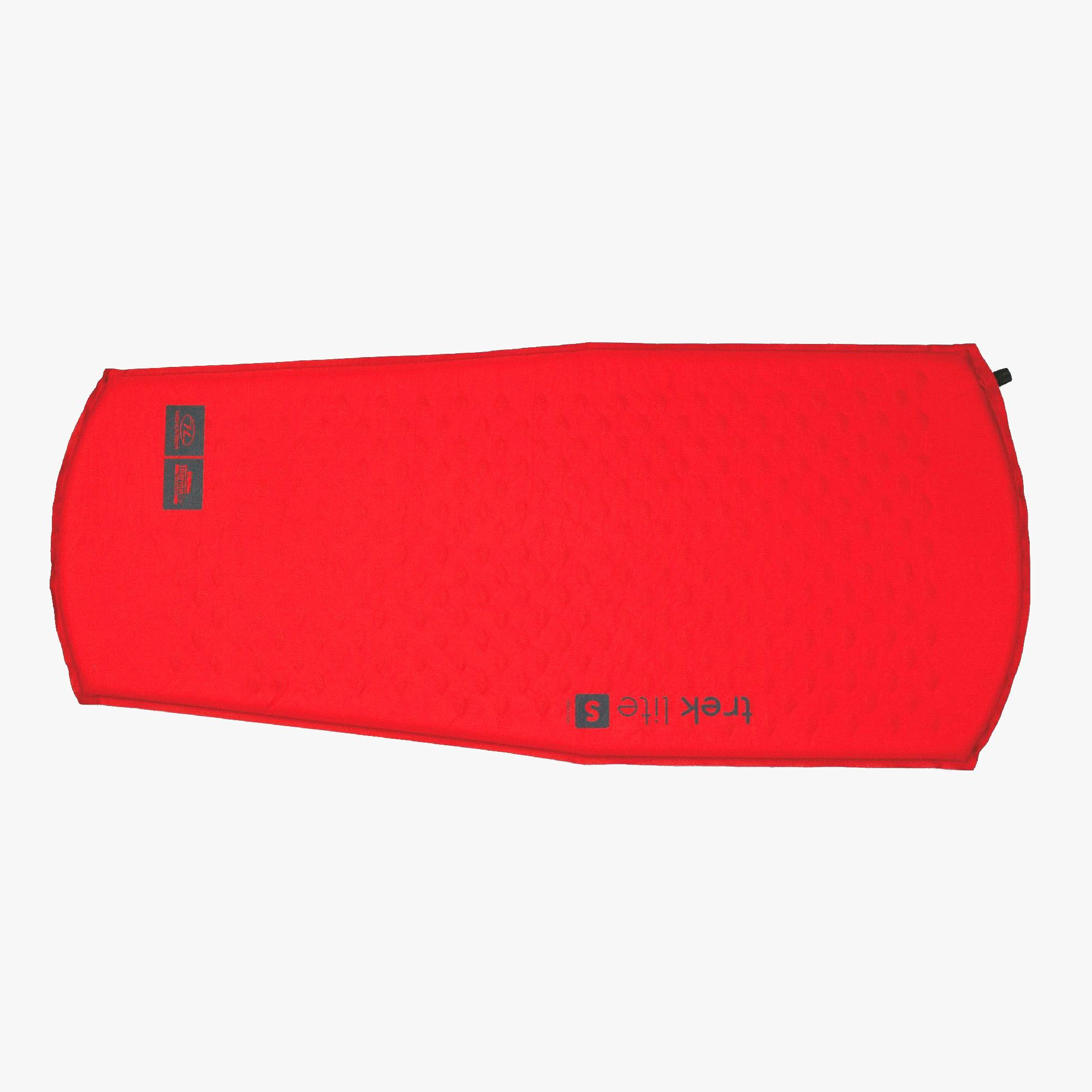
See the First Solo Night KitGood for: Choosing your length: it comes in small and large sizes.