
Sleeping mats
A sleeping mat is a pad that sits under your sleeping bag and stops the ground drawing heat out of you, measured by its R-value. The sleeping mats below are chosen for UK ground, which is cold and damp for most of the year. Buy a mat with an R-value of at least 3 for camping between April and October in the UK. To understand the number, read our guide to sleeping mat R-values.
A sleeping mat is a pad that sits under your sleeping bag and stops the ground drawing heat out of you, measured by its R-value.
Read more
The sleeping mats below are chosen for UK ground, which is cold and damp for most of the year. Buy a mat with an R-value of at least 3 for camping between April and October in the UK. To understand the number, read our guide to sleeping mat R-values.
Filter (1)
Products
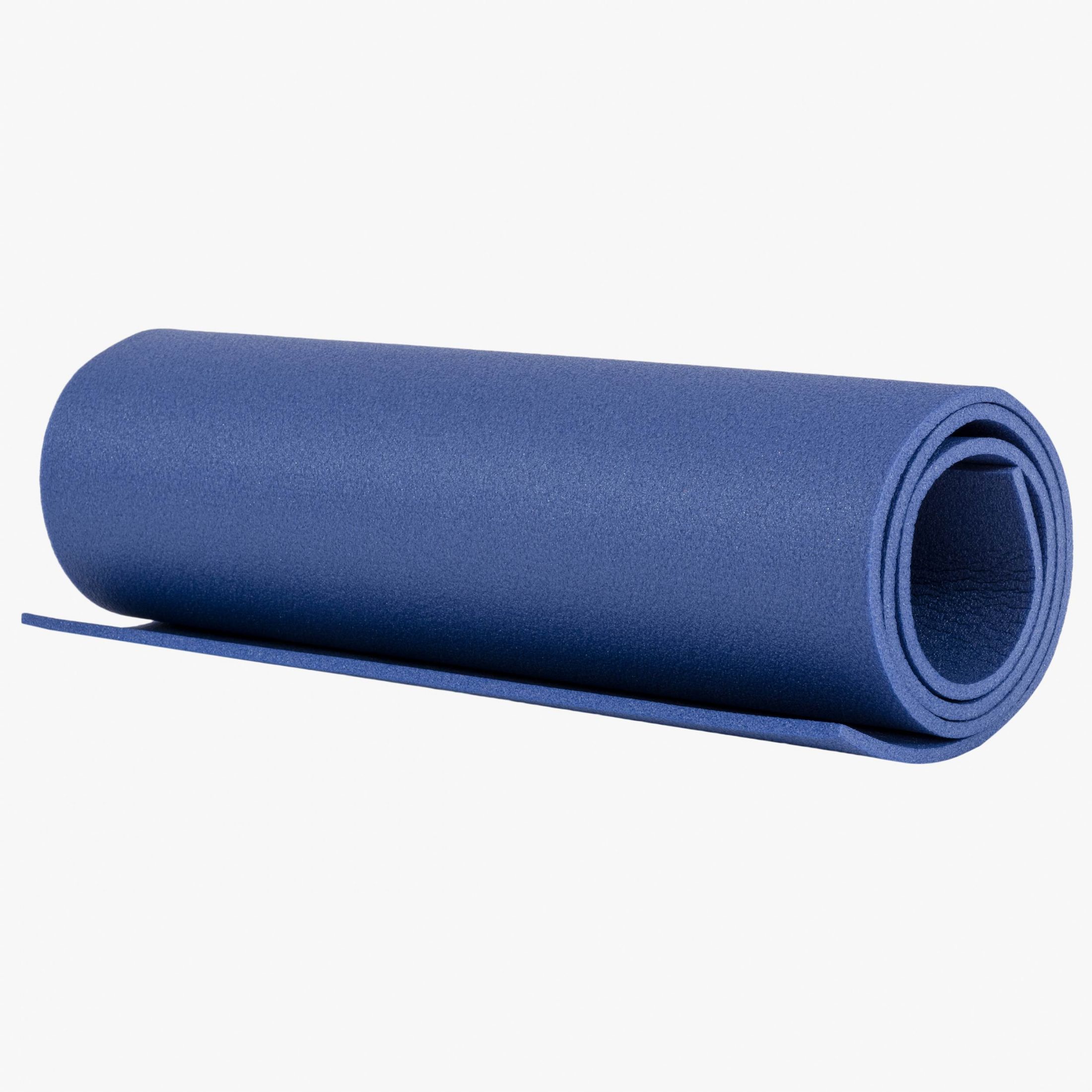
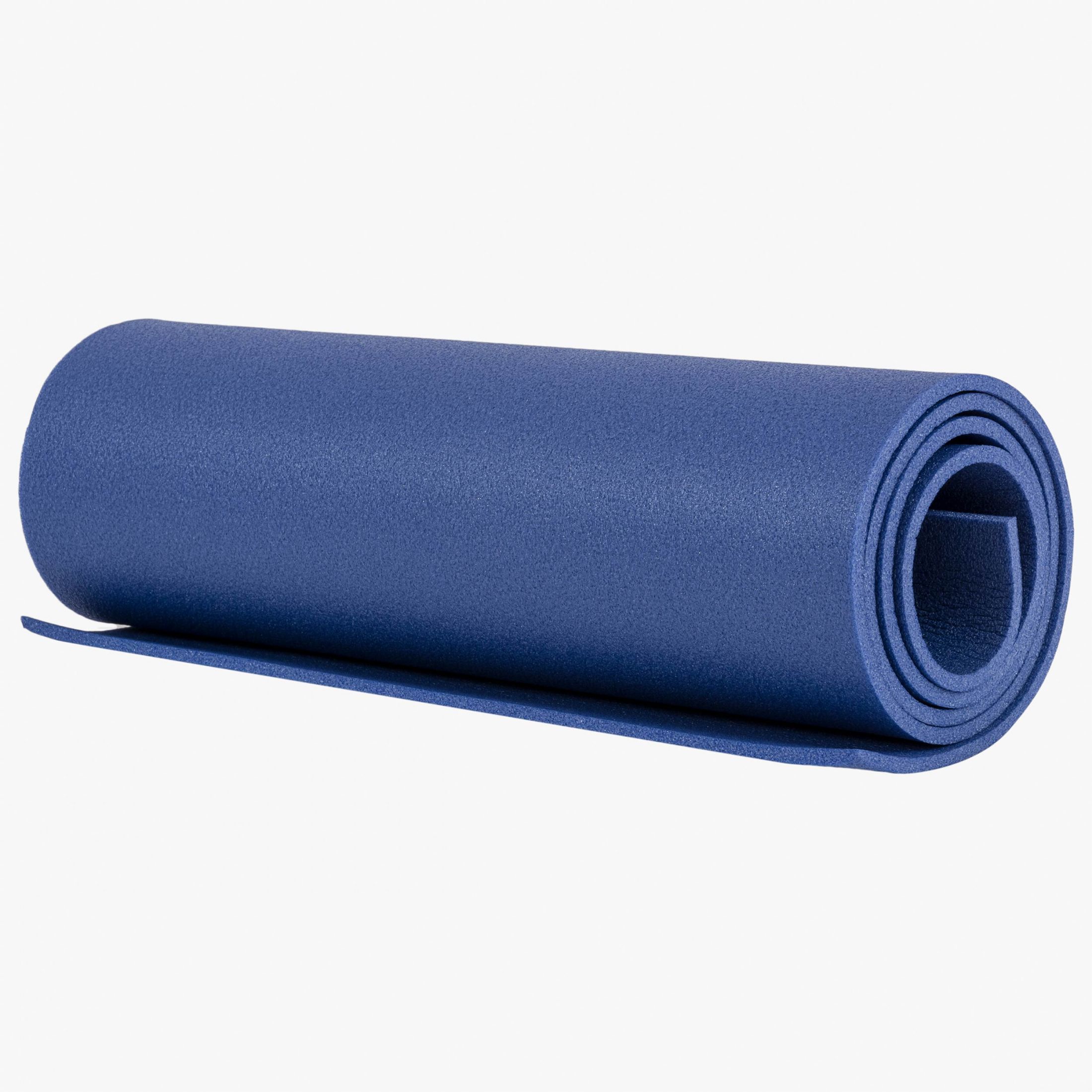
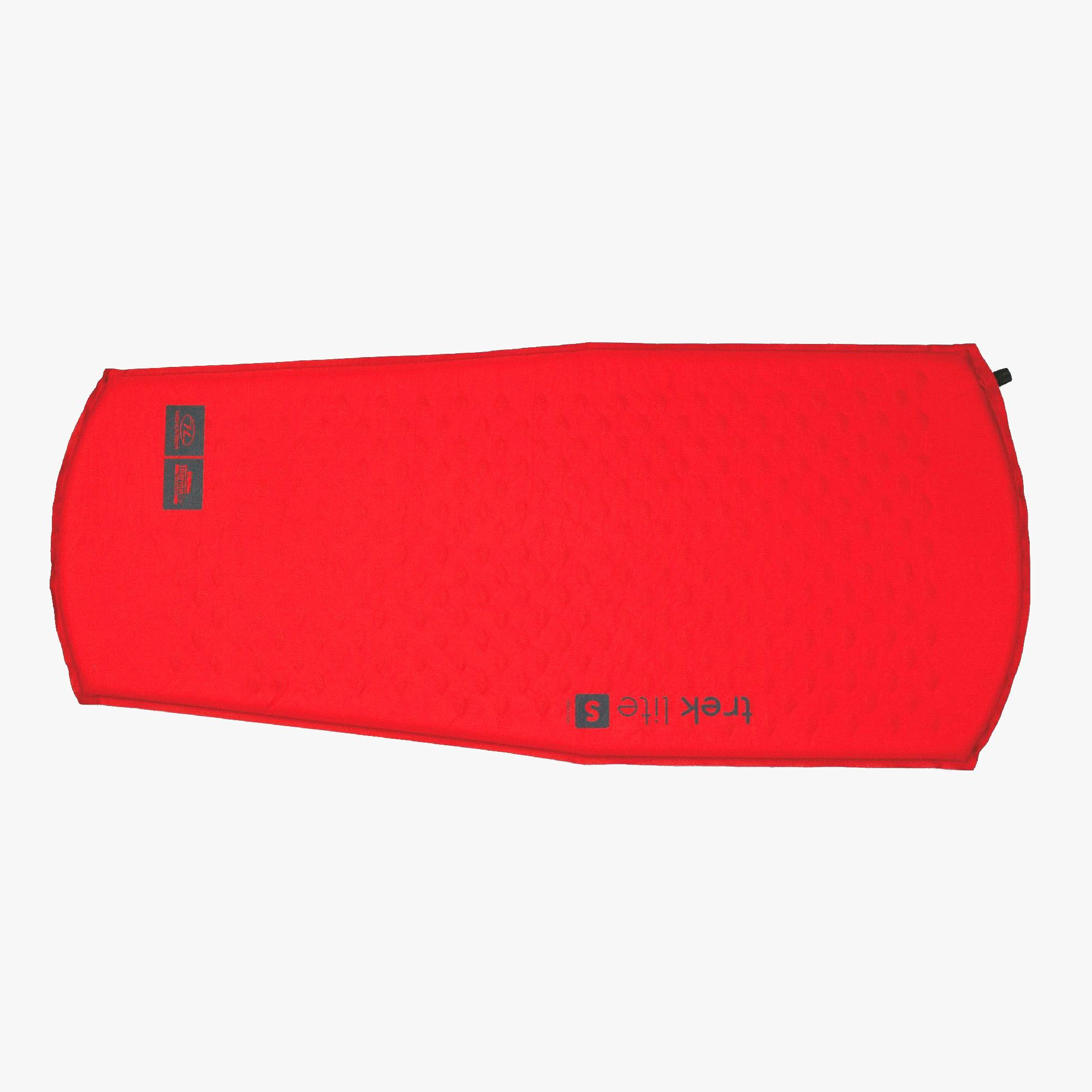
Trek Lite Self-Inflate Mat
£19.47In stockGood for: Choosing your length: it comes in small and large sizes.
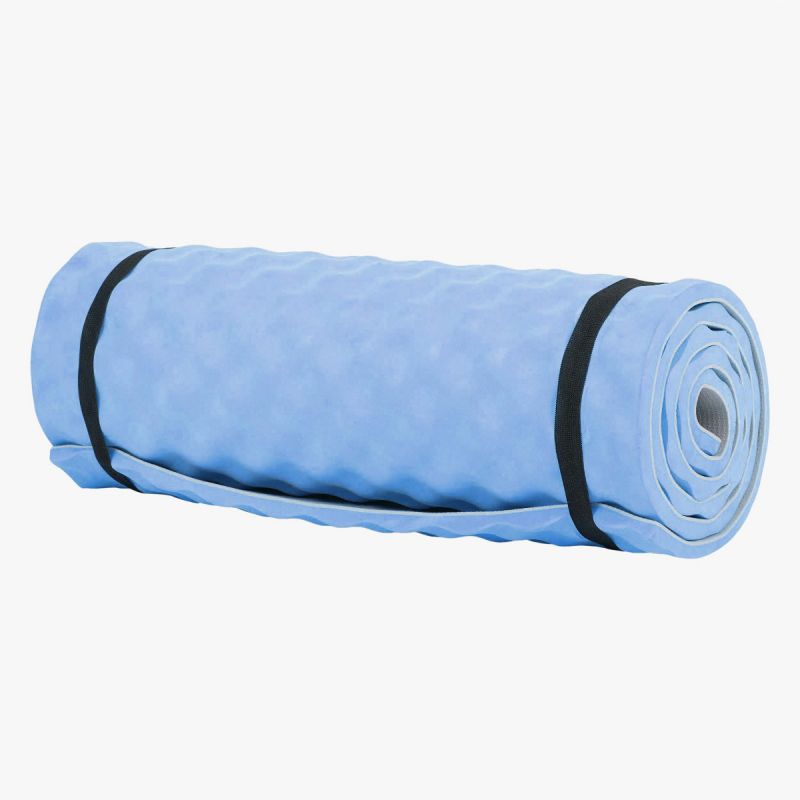
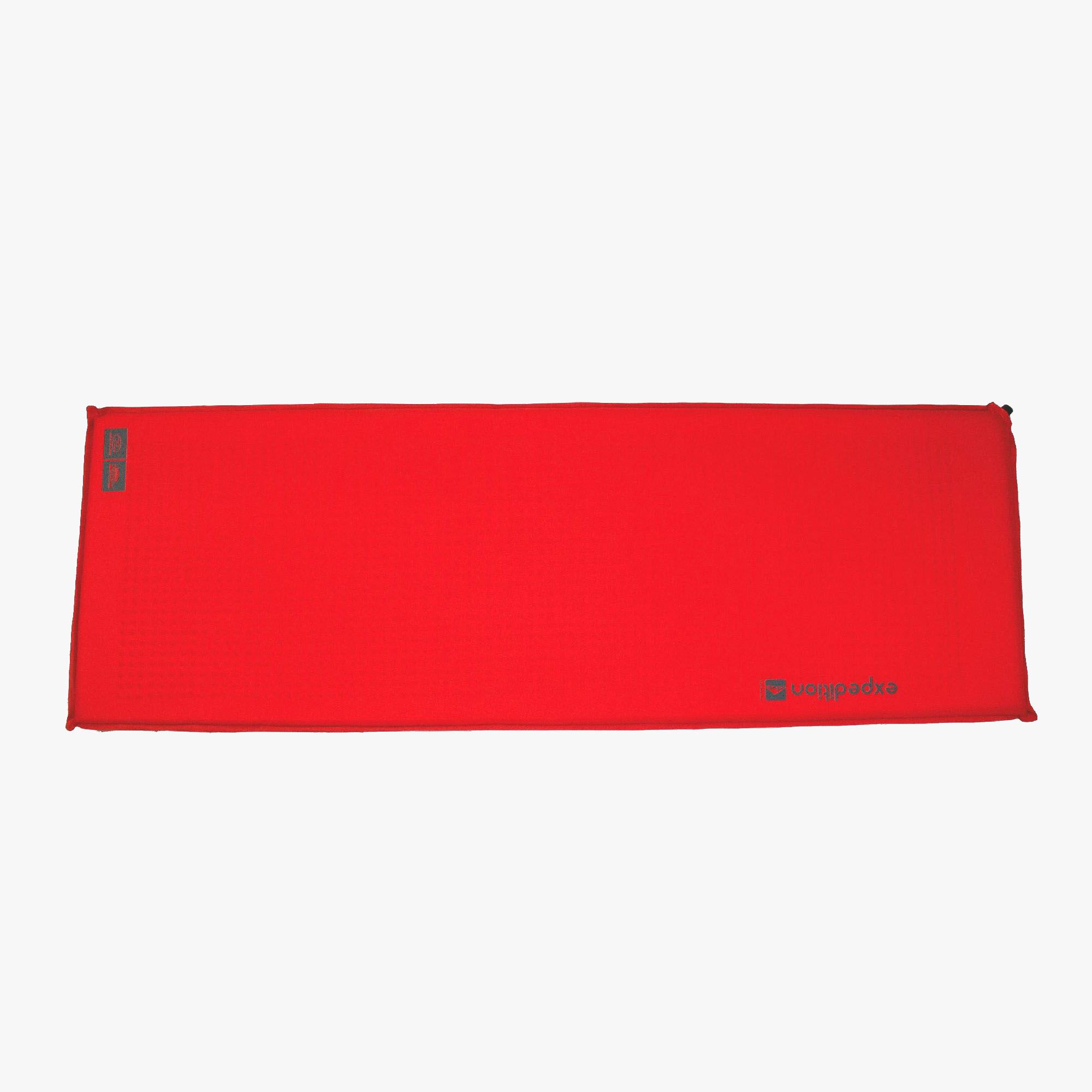
Highlander Expedition Self Inflate Mat
- Packed size: 15 x 66cm packed
Good for: A softer night than a foam mat: it fills itself and packs to 15cm by 66cm.
What R-value do you need?
A sleeping mat with an R-value of at least 3 suits UK camping between April and October. R-value measures how well a mat resists heat flowing out of you into the ground: the higher the number, the warmer the mat. For winter, or if you sleep cold, choose a sleeping mat rated 4 or more.
How is a sleeping mat's R-value measured?
Most manufacturers now test R-value under ASTM F3340, a shared standard that replaced each brand's own method. Because every mat tested to it is measured the same way, you can compare R-values between brands. R-values also add up: a foam mat rated 2 under an air mat rated 2 gives about 4.
Self-inflating, air or foam?
Self-inflating mats are the easiest choice for a first sleeping mat; air mats pack smallest; foam mats never puncture.
- Self-inflating mats have open-cell foam inside an airtight cover. Open the valve and the foam draws in air, then a few breaths firm it up. They're comfortable and hard-wearing, but heavier and bulkier than an air mat.
- Air mats are inflated by mouth or pump bag. They're the lightest and smallest when packed, and the thickest to lie on, but a thorn can puncture one, so carry the repair kit.
- Foam mats are closed-cell foam that rolls or folds. They weigh little, cost little and can't puncture, but they're bulky, thin and less warm on their own.
How long and wide should a sleeping mat be?
A regular sleeping mat is about 180cm long and 51cm wide, which fits most adults. Taller campers and side sleepers who move in the night will be more comfortable on a long or wide mat. For two people in a 2 man tent, check that two mats fit side by side.
Are air mats noisy?
Some are. Air mats with a reflective layer inside can rustle when you turn over. If you or your tent partner sleep lightly, check the product notes, or choose a self-inflating mat.
How do you pair a sleeping mat with a sleeping bag?
Pair them for the same nights: a 3-season sleeping bag needs a sleeping mat rated at least 3 underneath it. A warm bag on a thin mat still leaves you cold, because the fill underneath you is crushed flat and does little.
Put the rest of your kit together
A sleeping mat is one part of a sleep system. Pair it with a 3-season sleeping bag and a one man tent, or save time with the First Solo Night Kit.
See the First Solo Night Kit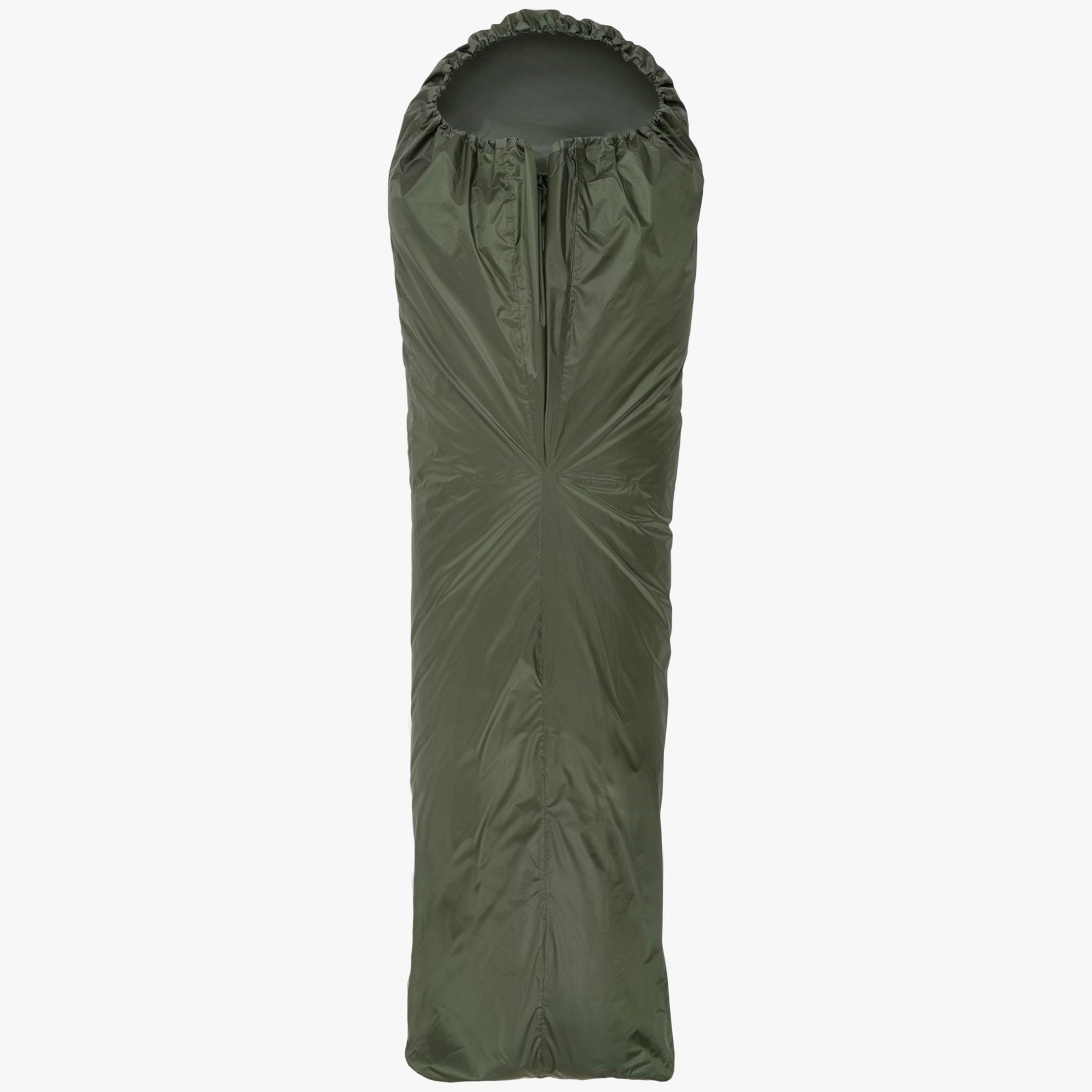
Highlander Kestrel Rip-Stop Bivvy Bag
£37.97In stockGood for: One adult sleeping under a tarp or the sky; it's 240cm long and packs to 21cm x 9cm x 9cm.
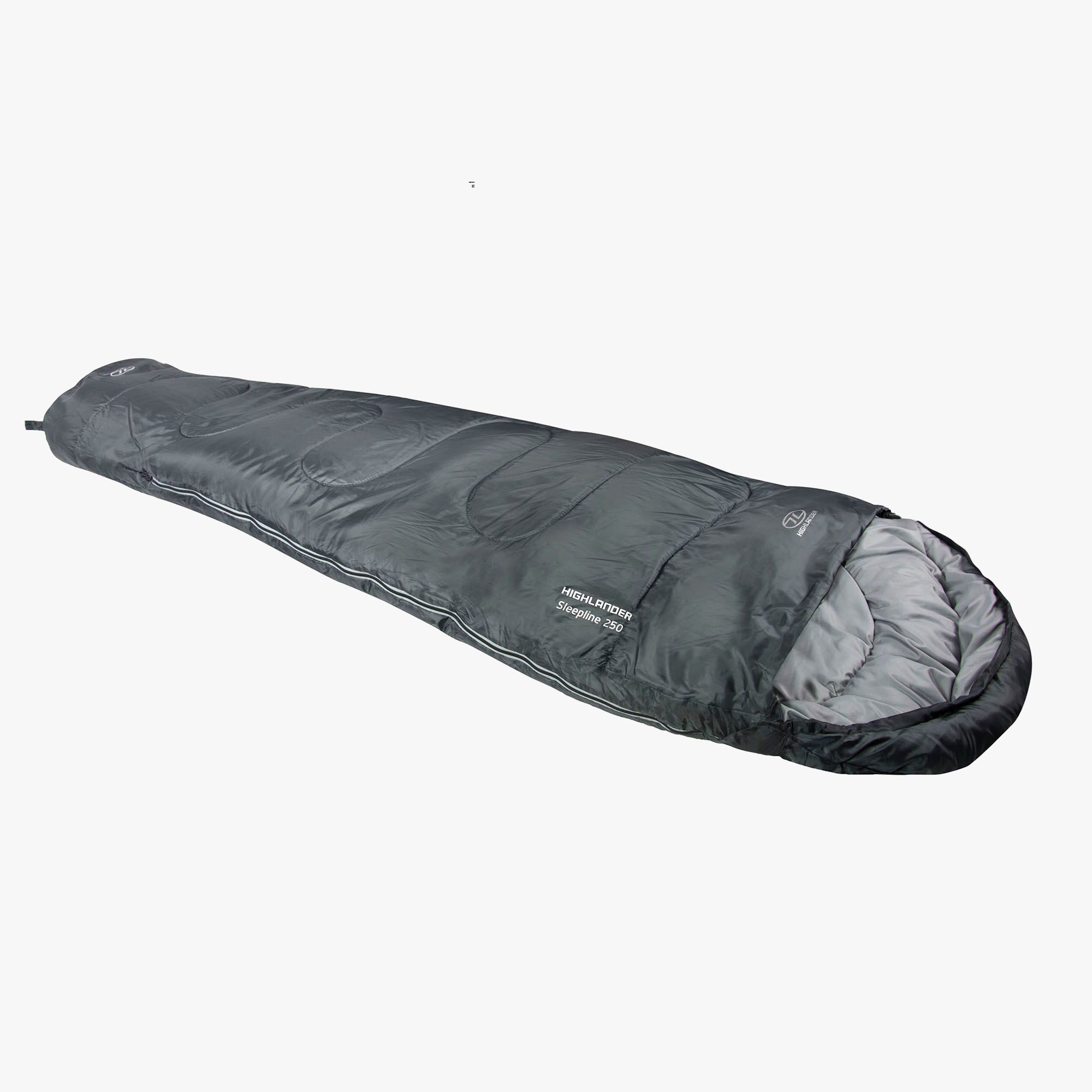
Highlander Sleepline Mummy Sleeping Bag
- Fill: Synthetic fill
- Season: 1-season
Good for: Warm summer nights, in a synthetic 1-season bag.
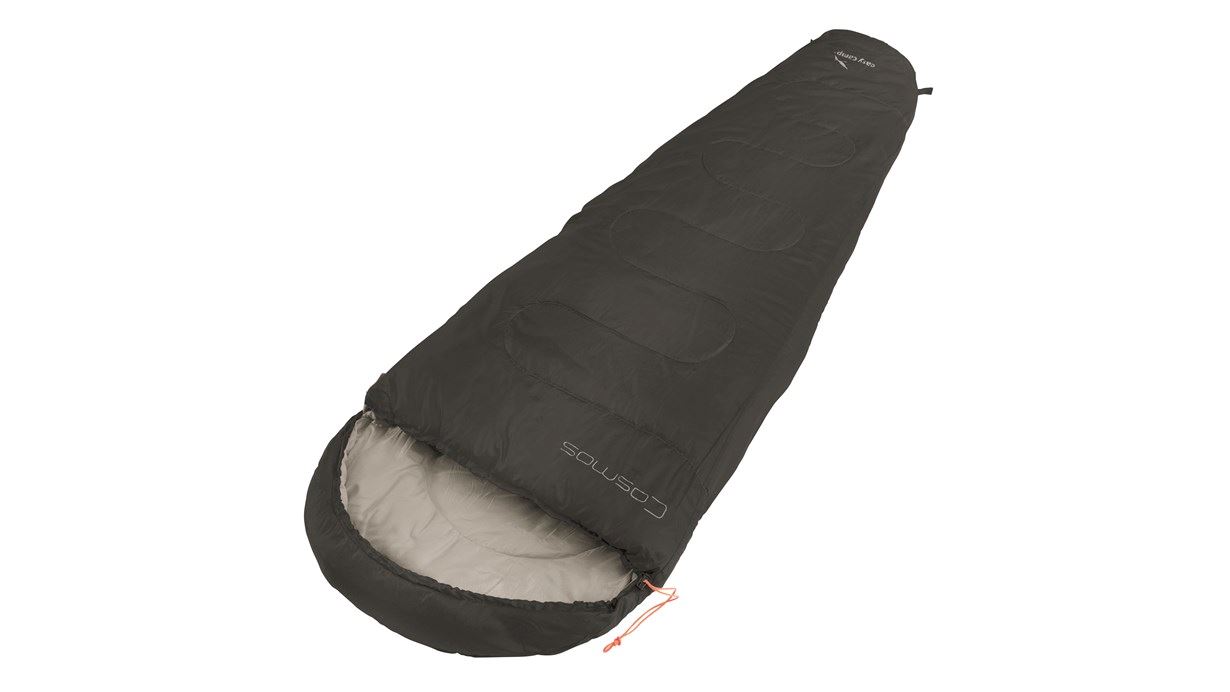
Easy Camp Cosmos Sleeping Bags in Black, Blue, and Green
- Fill: Synthetic fill
Good for: Warm summer nights on a campsite.
Questions people ask
- Can I use a yoga mat as a sleeping mat?
- Not for a night outside. A yoga mat is thin and dense, so it has a very low R-value and lets the cold ground through. A foam camping mat weighs about the same and is warmer.
- What should I do if my air mat punctures?
- Find the hole by listening, or by dabbing soapy water on the mat and looking for bubbles, then patch it with the repair kit once it's dry. A foam mat underneath keeps you off the ground while you wait for a repair.
- Does a self-inflating mat need blowing up?
- A little. Open the valve and let it fill for a few minutes, then add a few breaths to firm it. Store it unrolled with the valve open, so the foam keeps its spring.