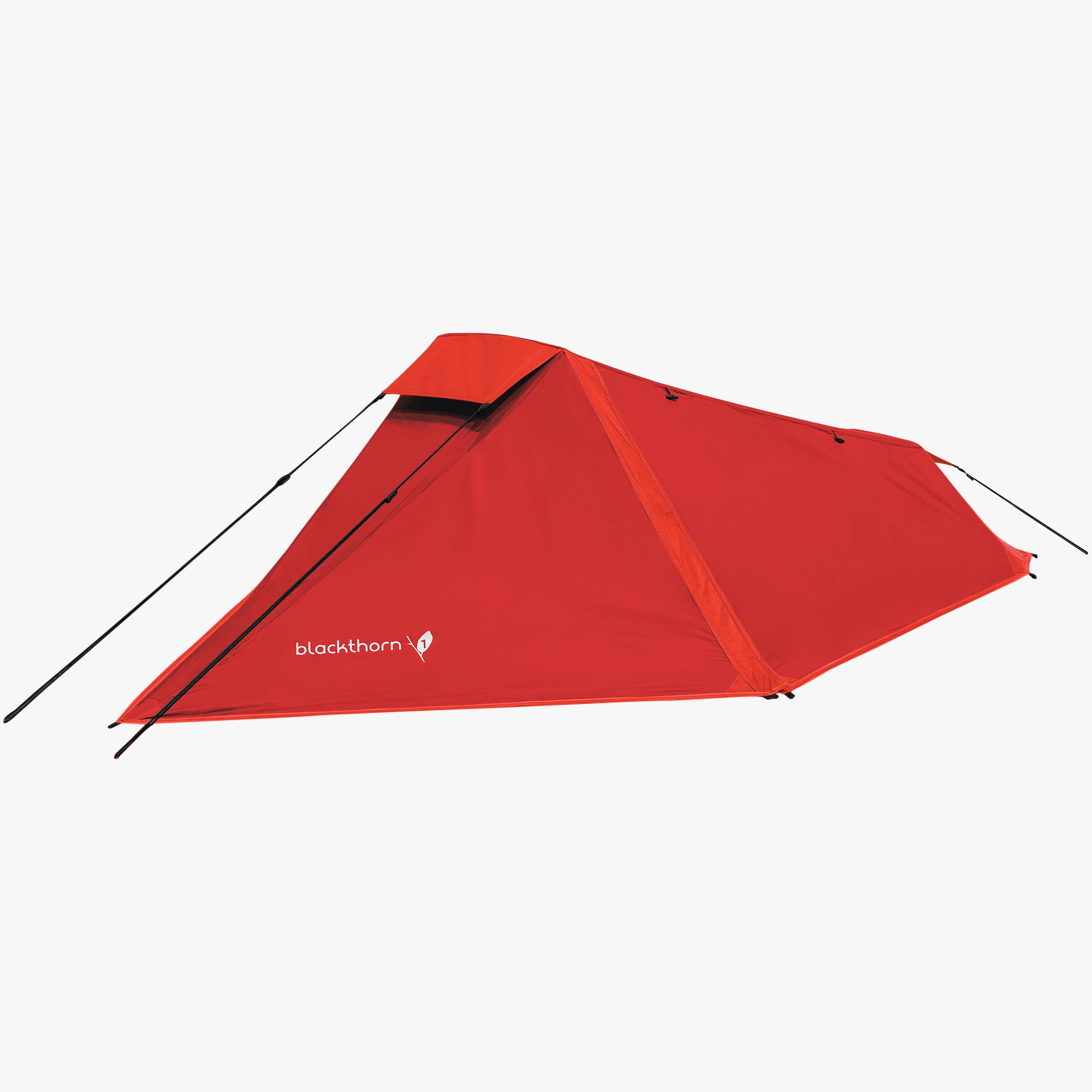
Highlander Blackthorn 1 Man Tent
- Berth: 1 person
- Hydrostatic head: 2,000mm HH
Good for: One adult on a campsite or a sheltered pitch, with a 2,000mm flysheet.
A one man tent is a lightweight shelter built to sleep one adult, with a small porch for a rucksack and boots. The one man tents below are chosen for UK conditions: rain, wind and ground that is rarely flat or dry. Not sure whether you need one berth or two? Compare with our 2 man tents, or read One Man Tent vs 2 Man Tent: Which Should You Buy?
A one man tent is a lightweight shelter built to sleep one adult, with a small porch for a rucksack and boots.
The one man tents below are chosen for UK conditions: rain, wind and ground that is rarely flat or dry. Not sure whether you need one berth or two? Compare with our 2 man tents, or read One Man Tent vs 2 Man Tent: Which Should You Buy?
Good for: One adult on a campsite or a sheltered pitch, with a 2,000mm flysheet.
A one man tent for backpacking weighs between 1kg and 2.5kg. Tents under 1.5kg use thinner fabrics and fewer poles, which saves weight but costs durability and wind stability. For a first solo wild camp, a one man tent between 1.5kg and 2kg gives the best balance of weight, strength and price.
Packed size matters as much as weight. Check that the packed one man tent fits inside your rucksack, or strap it to the outside with the poles packed separately.
A one man tent for UK camping needs a flysheet with a hydrostatic head of at least 2,000mm and a groundsheet of at least 3,000mm. Hydrostatic head measures how tall a column of water the fabric holds back before it leaks: the higher the number, the more water pressure the fabric withstands. Groundsheets need a higher rating than flysheets because your weight presses the fabric into wet ground.
Seam taping, a well-tensioned pitch and a dry-weather test pitch at home matter as much as the number on the label.
Tunnel one man tents handle wind best when pitched correctly; dome one man tents are easier to pitch.
A one man tent has an inner length of about 210cm to 230cm and room to sit up at the highest point. Campers over 6ft 2in should check the inner length on each product page, or choose a 2 man tent. The porch (also called the vestibule) holds your rucksack and boots out of the rain. Cook outside the tent, not in the porch: stoves inside tents cause fires and carbon monoxide build-up.
A double-skin one man tent has a waterproof flysheet over a separate breathable inner tent. The gap between the two layers reduces condensation, which is why double-skin one man tents suit the UK's damp, cold nights. Single-skin one man tents are lighter but collect more condensation on the inside of the fabric.
A 3-season one man tent suits UK camping from March to October. A 4-season one man tent has stronger poles, a lower profile and less mesh, and is designed for winter, snow and exposed mountain ground. Most first solo campers need a 3-season tent.
Before you pitch
Wild camping is permitted on most unenclosed land in Scotland and on the Dartmoor Commons. Elsewhere in England, Wales and Northern Ireland, you need the landowner's permission. One Man Tents doesn't encourage anyone to break the law. Read Wild Camping in the UK: Where, How and the Law before you go, and follow our Leave No Trace guidance wherever you pitch.
Pitch late, leave early, and take everything home with you, including food scraps. Read how we camp
A one man tent is one part of a sleep system. Pair it with a 3-season sleeping bag and a sleeping mat with an R-value of at least 3, or save time with the First Solo Night Kit.
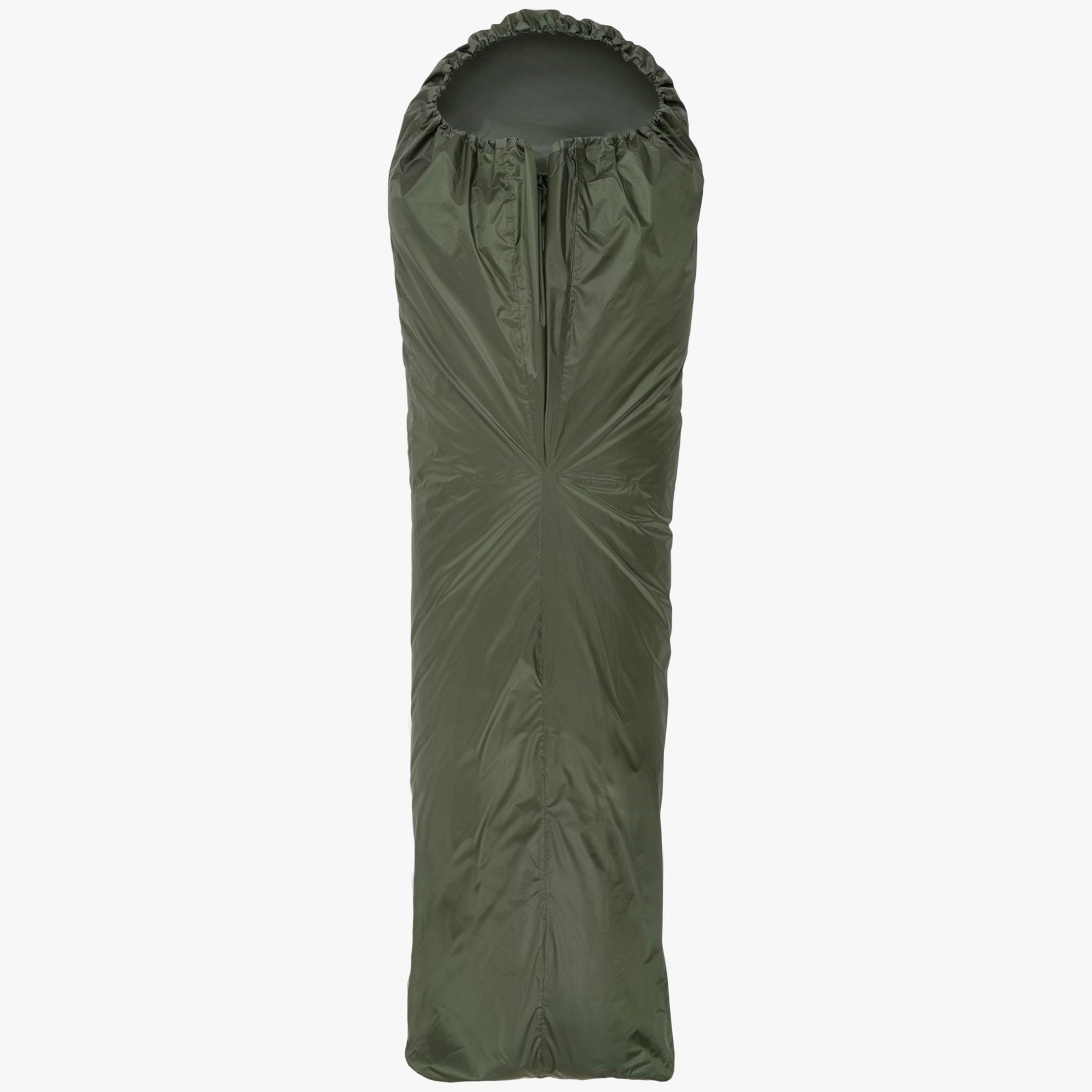
See the First Solo Night KitGood for: One adult sleeping under a tarp or the sky; it's 240cm long and packs to 21cm x 9cm x 9cm.
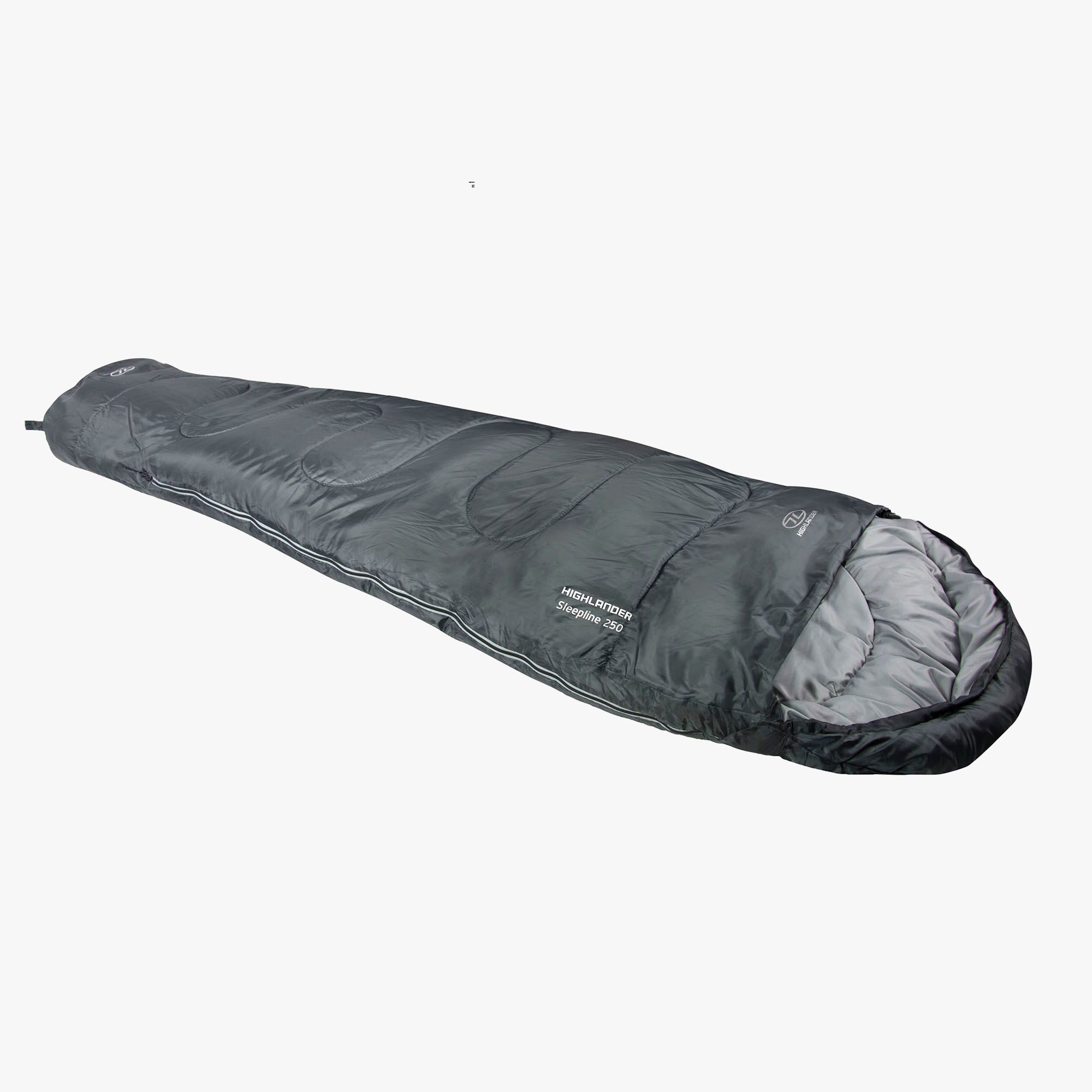
Good for: Warm summer nights, in a synthetic 1-season bag.
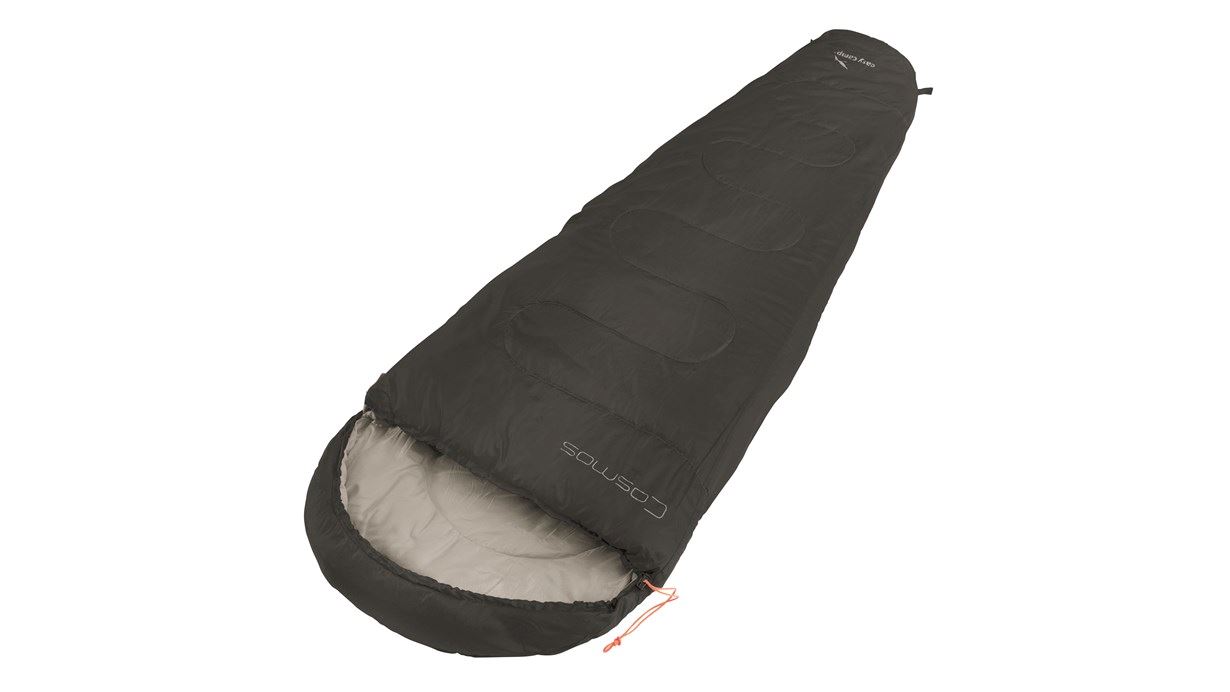
Good for: Warm summer nights on a campsite.