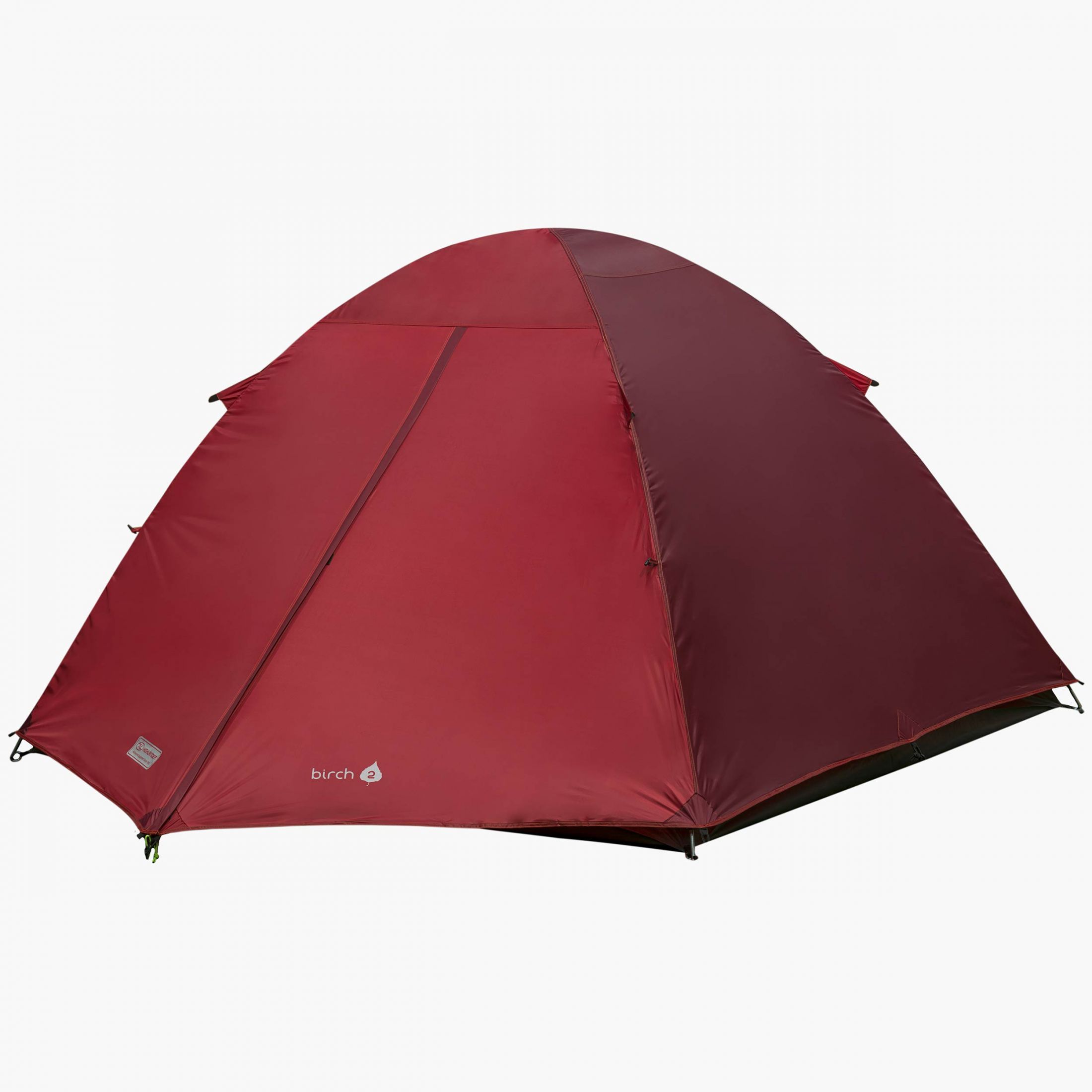
Highlander Birch Tent
- Berth: 2 person
- Hydrostatic head: 2,000mm HH
Good for: Two people on a campsite or a sheltered pitch, with a 2,000mm flysheet.
A backpacking tent is a tent light and small enough to carry in a rucksack, built to sleep one or two people. Every tent here is chosen for one or two people and for UK weather: rain, wind and ground that is rarely flat or dry. Start with the number of people sleeping in it, then weight and waterproofing. Not sure whether you need one berth or two? Read One Man Tent vs 2 Man Tent: Which Should You Buy?
A backpacking tent is a tent light and small enough to carry in a rucksack, built to sleep one or two people.
Every tent here is chosen for one or two people and for UK weather: rain, wind and ground that is rarely flat or dry. Start with the number of people sleeping in it, then weight and waterproofing. Not sure whether you need one berth or two? Read One Man Tent vs 2 Man Tent: Which Should You Buy?
Good for: Two people on a campsite or a sheltered pitch, with a 2,000mm flysheet.
Choose a one man tent to camp alone and carry the least weight, and a 2 man tent to camp as a pair or to have more room on your own. A bivvy bag is the lightest shelter of all, with no room for kit. Campers over 6ft 2in should check the inner length of any tent before choosing between one berth and two.
A one man backpacking tent weighs between 1kg and 2.5kg; a 2 man tent weighs between about 1.5kg and 3kg. For a first wild camping tent, the middle of each range gives the best balance of weight, strength and price. Ultralight tents under 1kg save weight with thinner fabric and trekking poles in place of tent poles, which takes practice to pitch well.
A good wild camping tent is light to carry, quick to pitch, small enough to fit on a small patch of ground, and strong enough for wind. Muted colours blend into the hillside. A flysheet with a hydrostatic head of at least 2,000mm and a groundsheet of at least 3,000mm keep UK rain out.
Tunnel tents handle wind best when pitched correctly; dome tents are easier to pitch. Tunnel tents must be pegged out to stand, and pitched tail into the wind they shed gusts well. Dome tents stand on their own before pegging, which helps on stony ground. Trekking-pole tents use your walking poles instead of tent poles and are the lightest of the three.
A double-skin tent has a waterproof flysheet over a separate breathable inner tent, and the gap between them cuts condensation on damp, cold nights. Single-skin tents are lighter but collect more condensation on the inside. Most tents for UK camping are double-skin for that reason.
One adult needs an inner length of about 210cm to 230cm and room to sit up; two adults need an inner width of at least 105cm for two mats side by side. The porch holds rucksacks and boots out of the rain. Cook outside the tent, never in the porch.
A 3-season tent suits UK camping from March to October. A 4-season tent has stronger poles, less mesh and a lower profile for winter, snow and exposed mountain ground. Most people starting out need a 3-season tent.
One Man Tents doesn't encourage anyone to break the law. Wild camping rules differ across the UK: it's permitted on most unenclosed land in Scotland under the Scottish Outdoor Access Code, and on the Dartmoor Commons in England. Elsewhere in England, Wales and Northern Ireland, you need the landowner's permission. Always check before you pitch. Wild camping in the UK
Pitch late, leave early, and leave the ground as you found it. Read how we camp
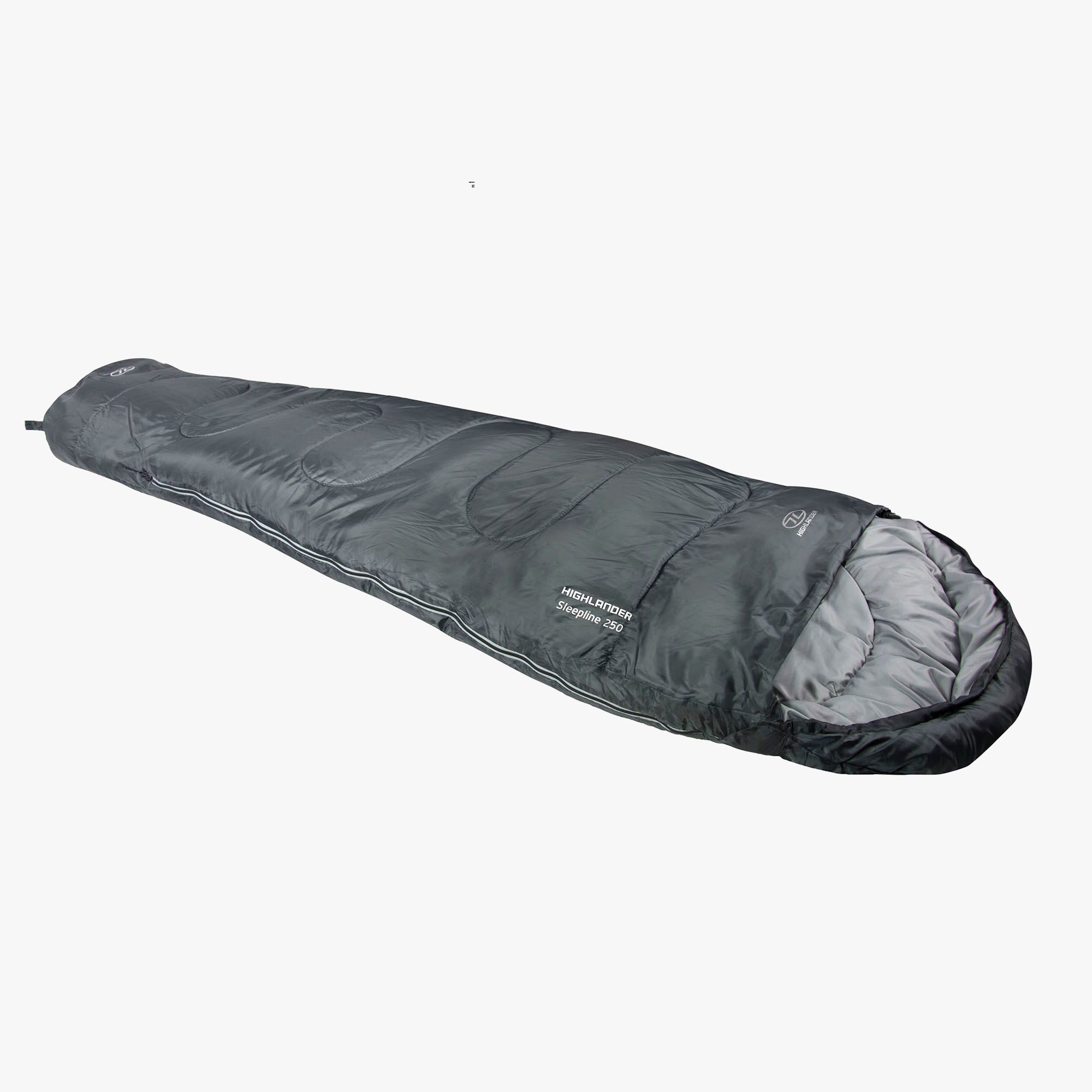
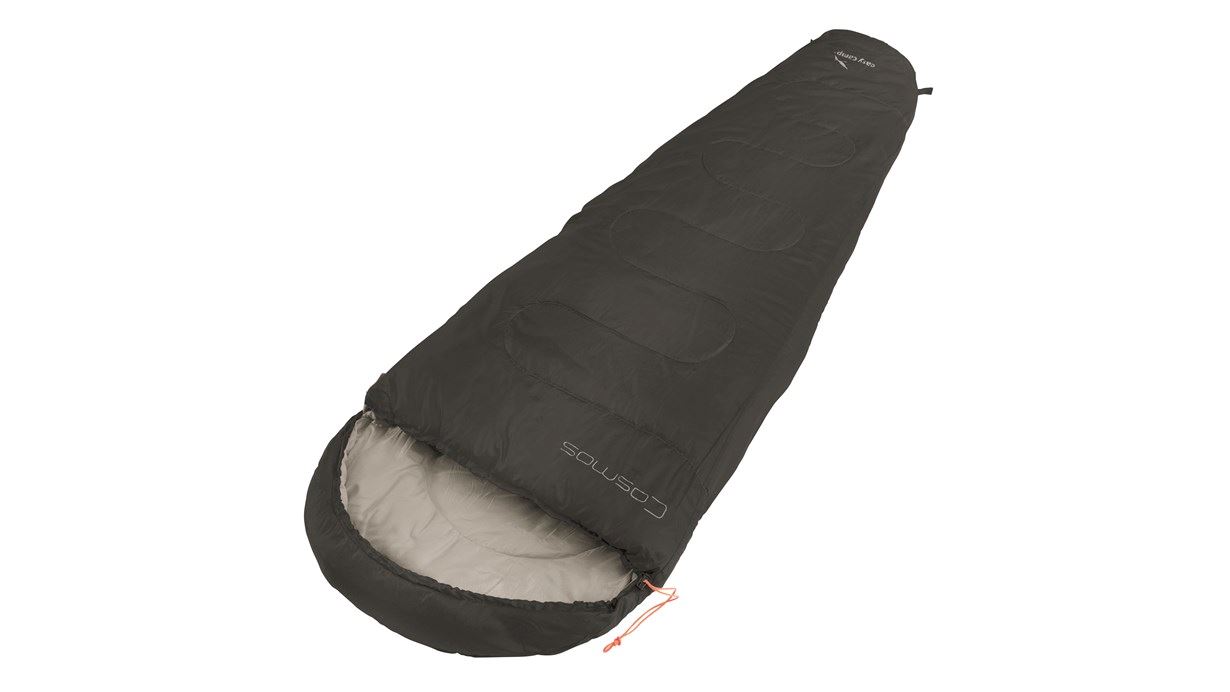
A tent is one part of a sleep system. Pair it with a 3-season sleeping bag and a sleeping mat with an R-value of at least 3, or save time with the First Solo Night Kit.
See the First Solo Night KitGood for: Warm summer nights, in a synthetic 1-season bag.
Good for: Warm summer nights on a campsite.